Living with nagging pain—whether it’s that sharp twinge of sciatica, a stiff neck from staring at screens, or the deep ache of arthritis—can feel like a constant battle. For many, the default response is reaching for the medicine cabinet or waiting weeks for a physical therapy appointment.
But there is a middle ground that has moved from the clinic to the living room: the TENS unit. Often described as a “pocket-sized physical therapist,” these small devices offer a way to interrupt pain signals and find relief without medication. If you’ve ever wondered if those little machines with sticky pads are actually worth the hype, here is a breakdown of how they work and if one belongs in your recovery toolkit.
How Does It Actually Work?
TENS stands for Transcutaneous Electrical Nerve Stimulation. While that sounds like a mouthful, the concept is actually quite simple. You place sticky electrode pads on your skin near the area that hurts, and the device sends gentle electrical impulses through the nerve fibers.
It typically works in two ways:
- Blocking the Signal: Think of it like a busy signal on a phone line. The electrical pulses flood the nervous system with non-painful information, which essentially blocks the pain signals from traveling up the spine to your brain.
- Boosting Endorphins: The stimulation can encourage your body to produce its own natural painkillers, called endorphins.
It’s not magic, and it doesn’t “fix” the underlying structural issue, but it can provide a significant window of relief that allows you to move more freely or simply relax.

Is This Right for You?
You don’t need to be a professional athlete to benefit from electrotherapy. These devices are generally designed for anyone managing musculoskeletal discomfort. You might find a TENS unit particularly useful if you fall into one of these categories:
- The Desk Worker: If you finish the day with tension headaches or “tech neck” from hunching over a keyboard.
- The Chronic Pain Sufferer: For those managing long-term conditions like fibromyalgia, arthritis, or lower back issues where pills are no longer an ideal option.
- The Weekend Warrior: If you are dealing with post-workout soreness (DOMS) or recovering from a mild sports injury like a strained calf.
However, they are not for everyone. If you have a pacemaker, are pregnant, or have epilepsy, you must consult a doctor before using one.
What Does It Feel Like?
The biggest fear for first-time users is that it will hurt. The reality is that a TENS unit should never be painful.
When you turn it on, you will feel a tingling or buzzing sensation, often described as “pins and needles” but without the numbness. As you turn the intensity up, this turns into a tapping or kneading sensation, causing your muscles to twitch rhythmically.
Using one is straightforward:
- Stick the pads on clean, dry skin around the pain point (never directly on a wound or bone).
- Turn the unit on and slowly increase the intensity until you feel a strong but comfortable sensation.
- Sit back and let it run for 20–30 minutes while you watch TV or read.
How to Choose the Right One: A Mini Buying Guide
The market is flooded with devices ranging from $20 to $100+. You don’t always need the most expensive one, but you should look for these key features to make sure you actually get relief.
1. TENS vs. EMS: What’s the Difference?
You will often see devices labeled as “TENS + EMS.” It is important to know the difference:
- TENS (Nerves): Focuses on blocking pain signals. It is purely for relief.
- EMS (Muscles): Electrical Muscle Stimulation focuses on contracting the muscle to strengthen it or help it recover after a workout.
- Verdict: If you just have pain, a standard TENS is fine. If you are an athlete or want to rehabilitate a weak muscle, look for a “Combo” unit.
2. Massage Modes Matter
Modern units don’t just “buzz.” They come with pre-programmed modes designed to mimic actual massage techniques. Look for units that offer Kneading, Tapping, or Acupuncture modes.
- Why it matters: Your body can sometimes “get used” to a steady electrical pulse, making it less effective. Being able to switch to a “kneading” pattern can trick your nerves again and provide deeper relief.
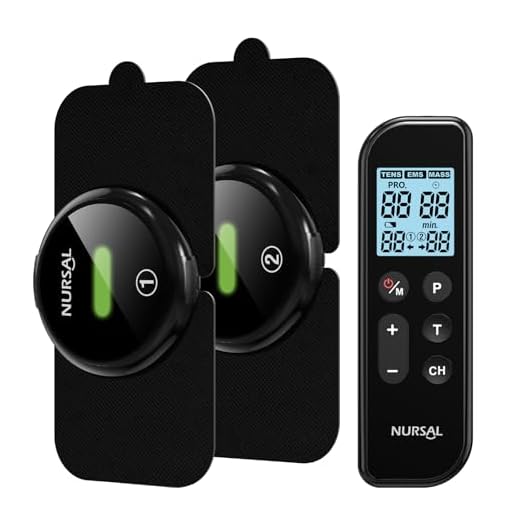
3. Dual-Channel Capability
Always look for a “Dual-Channel” device. This means you can use two or four pads at once and control the intensity separately. This is crucial if you have pain in two different areas (like your neck and lower back) or if one side of your body is more sensitive than the other.
4. Battery Type
- Rechargeable (Lithium): Best for most people. It charges like your phone (often via USB-C), saves you money on batteries, and is usually slimmer.
- Standard (9V or AAA): Often found in older “clinical” style units. They can be more powerful, but you will be constantly buying replacements.
The Practical Reality: What to Expect
While these gadgets are fantastic tools, managing your expectations is key to getting the best results.
- The Learning Curve: It is rarely “plug and play” instantly. You will need to experiment with pad placement. Moving an electrode just one inch can be the difference between “I feel nothing” and “Wow, that’s the spot.” Be prepared for a little trial and error in the first week.
- The “Sticky” Situation: Electrode pads are reusable, but they are consumables. Dust, skin oils, and lint will eventually degrade the adhesive. Expect to replace them every 15–30 uses depending on the brand. Tip: Wiping your skin with alcohol before applying them extends their life significantly.
- It’s Management, Not Magic: A TENS unit is designed to alleviate symptoms and help you function better. It is a tool to help you get through the day with more comfort, not a magic wand that repairs structural damage.
Ready to Find Relief?
If you think a TENS unit sounds like the relief you’ve been looking for, the next step is finding one that fits your lifestyle. Whether you need a heavy-duty clinical unit or a tiny wireless one for the office, there is a wide range of options available.
Read Next: Best TENS Units for Pain Relief