If you live with knee pain, you know that the stiffness often hits you before you’ve even gotten out of bed. Whether it is that familiar morning ache, the soreness after a long walk, or just the result of sitting at a desk for eight hours with your legs bent, knee discomfort can be a constant, nagging presence.
While ice packs and knee sleeves have their place, there is something uniquely soothing about applying active heat and vibration directly to the joint. This is where modern knee massagers come in. They aren’t going to replace a knee replacement or a physical therapist, but as a daily tool for comfort and symptom management, they are becoming incredibly popular for home use.
Who Should Consider Getting One?
Knee massagers are versatile tools, but they tend to be most beneficial for three specific groups of people:
- The Chronic Pain Sufferer: If you are dealing with arthritis or general joint deterioration, the warmth provided by these devices is excellent for loosening up stiffness. The heat helps increase blood flow to the area, which may help reduce that “rusty hinge” feeling in the mornings or during cold weather.
- The Weekend Warrior: For runners, hikers, or cyclists, knee soreness is often just part of the game. Using a massager post-workout can help relax the muscles around the patella and quads, potentially aiding in recovery and keeping the joint mobile for your next session.
- The Sedentary Worker: Surprisingly, lack of movement is a major cause of knee stiffness. If you sit at a computer all day, your knees are locked in a flexed position, which can restrict circulation. A quick 15-minute session with a massager can help wake up the legs and get the blood moving again without you having to leave your chair.
The Science Behind the Relief
You might be wondering if this is just a gimmick or if there is actual value to these gadgets. The effectiveness comes down to two simple mechanisms: increasing blood flow and confusing pain signals.
Heat therapy works by dilating blood vessels, which increases the flow of oxygen and nutrients to the damaged tissues, helping to relax tight muscles and reduce stiffness. Vibration, on the other hand, works on the “Gate Control Theory” of pain. Essentially, the non-painful sensation of vibration is thought to travel to your spinal cord faster than pain signals, helping to “close the gate” and potentially reduce the amount of discomfort you feel. When you combine the two, you get a powerful, drug-free way to manage daily aches.
How They Work and Ease of Use
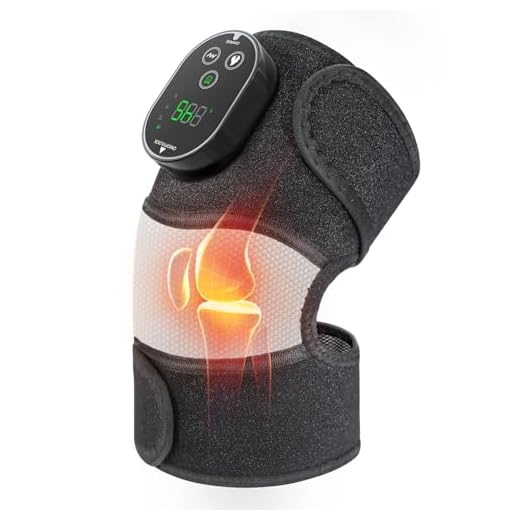
The beauty of these devices lies in their simplicity. Most knee massagers operate on a straightforward principle: Heat + Vibration = Relaxation.
You don’t need to be tech-savvy to operate them. It is usually just a matter of strapping the device around your knee with Velcro, pressing a power button, and sitting back. Because many are cordless, you can wear them while relaxing.
A Real-Life Example: Imagine you just finished a long walk and your knees are starting to feel tight. You can strap on a heated massager, set it to medium warmth, and let it run for a 15-minute cycle while you watch TV. It’s a simple way to address the stiffness before it sets in for the evening.
The Practical Downsides: Honest Advice
While these gadgets are wonderful for comfort, it is important to have realistic expectations before you buy one.
It’s Not a Deep Tissue Massage
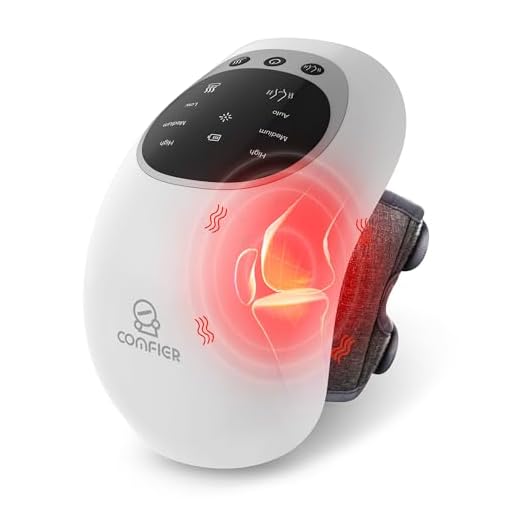
Do not expect these devices to feel like a masseuse digging their thumbs into your muscles. Most knee massagers use vibration motors, which create a buzzing sensation. While this is soothing, it is not a mechanical “kneading” massage that works out deep knots.
Fit Can Be Tricky
If your knee is very small or very large, some rigid plastic models might not sit flush against your skin, reducing the effectiveness of the heat. Soft wraps are more accommodating but can slide down if you walk around.
Battery Life Reality
Generating heat requires a lot of energy. If you choose a cordless model for convenience, be prepared to charge it frequently—often after just 3 to 5 sessions.
When to Be Cautious
While generally safe for daily comfort, there are times when you should skip the heat and vibration or consult a professional first:
- Acute Injuries: If your knee is swollen, red, and hot to the touch from a fresh injury, heat can make inflammation worse. Stick to ice in the acute phase.
- Skin Sensitivity: If you have numbness, neuropathy, or very fragile skin around the knee, be extremely careful with high heat settings to avoid burns.
- Medical Conditions: If you have had recent surgery, have implanted medical devices, or have a history of blood clots or circulation issues, always ask a clinician first.
Finding the Right Relief
If you are tired of relying solely on messy ice packs, it might be time to upgrade your recovery routine. A good knee massager can be the difference between limping through your evening and relaxing in comfort.
To help you navigate the options, we have researched and compared the top models on the market. Our guide helps you find the best fit for your needs, including top picks for larger legs, budget-friendly options, and devices with extra compression features.
Read the full guide: Best Knee Massagers