After long hours at a desk or standing on hard floors, the upper back and neck tend to hold onto a lot of physical stress. Daily professional massages aren’t practical for most schedules or budgets, which leaves many of us looking for effective at-home alternatives to help loosen things up.
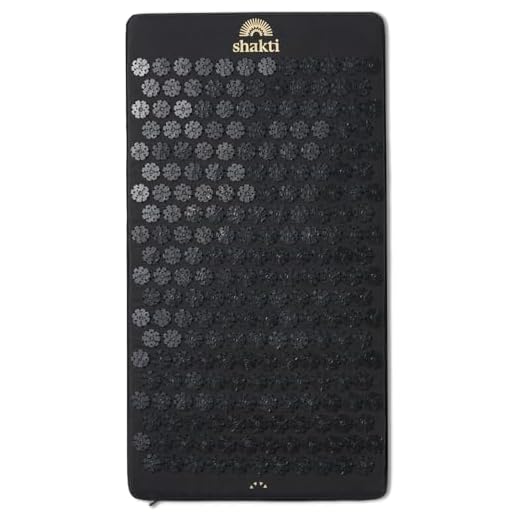
An acupressure mat is a simple concept: a firm pad covered in thousands of sharp, plastic rosettes. You simply lay down on it. While the visual of lying on a mat of plastic spikes might seem counterintuitive for relaxation, these tools have become incredibly popular for a reason. They provide an intense, physical stimulus designed to help ease tight muscles and promote a warming sense of calm at the end of the day.

How It Works: The Physical Mechanism
The concept behind an acupressure mat is quite straightforward and relies entirely on physical stimulation. When you lie down, the thousands of tiny plastic spikes press evenly into the skin of your back, shoulders, and neck.
This widespread, firm pressure does a few specific things:
- Promotes Localized Circulation: The sharp pressure stimulates the skin and underlying tissues, which can help draw blood flow to the area. This is why your back will often look flushed or red after a session.
- Encourages Muscle Relaxation: The intense physical sensation essentially distracts your nervous system. As your body registers the widespread pressure, it often responds by relaxing the muscles that were previously holding onto tight, guarded tension.
- Creates a Warming Sensation: After the initial shock of the spikes wears off, the increased circulation typically creates a deep, radiating warmth that many find immensely soothing for stiff joints and achy lower backs.
The “Ouch” Factor: Navigating the Learning Curve
Let’s be completely honest: the first time you lie down on an acupressure mat, it will likely be uncomfortable. There is a distinct learning curve, and it’s important to know about the practical limitations before you jump in.
When your skin first makes contact with the spikes, your body’s immediate reaction is usually to tense up. It feels sharp, prickly, and undeniably weird. The trick is to breathe through this initial phase, which usually lasts about two to three minutes. If you can force your body to sink into the mat rather than fighting it, the sharp sensation slowly melts away and is replaced by that heavy, warm relaxation.
A practical tip: Try wearing a thin cotton t-shirt for your first few sessions. Once you get used to the feeling, you can transition to bare skin for maximum stimulation.
Is This the Right Tool for Your Routine?
You might be wondering if an acupressure mat is actually going to fit into your lifestyle. Generally, these tools are designed to support people who fall into a few specific categories (though if you have a specific injury or chronic condition, it is always smart to check with your GP first):
- The Desk Worker: If you experience the classic “tech neck” or a stiff lower back from sitting in an office chair, the mat can provide a great physical reset at the end of the day.
- The Active Individual: Those who lift weights, run, or engage in heavy physical labor often use the intense pressure to help soothe overworked muscles.
- The Restless Sleeper: Because the mat forces your body to relax and produces a warming effect, many people find it to be an excellent pre-bedtime ritual to help wind down the mind and body.

Daily Use & What to Expect
Integrating an acupressure mat into your routine is relatively low effort, but consistency is where people see the most benefit.
How to use it: Simply lay the mat on a flat surface. For beginners, a softer surface like a bed or a sofa is ideal because it allows the mat to contour to your body, softening the pressure. As you become more experienced, moving the mat to a hard floor will provide the firmest, most intense stimulation.
Aim for 10 to 20 minutes a day. Many people like to listen to a podcast, practice deep breathing, or even meditate while lying down.
Cost expectations: The barrier to entry is quite low. You can easily find high-quality, synthetic foam beginner mats for around $25 to $40. If you prefer eco-friendly materials or want a “buy-it-for-life” luxury product, premium options made from coconut fiber, organic cotton, and linen can range from $100 up to over $300.
First-Time Buyer’s Guide: What to Look For
If you are ready to give it a try, it helps to know what differentiates one mat from another. Keep these features in mind:
1. Spike Density (The Counter-Intuitive Rule)
This is the most important thing to know: more spikes equal less pain. A mat with 8,000 to 10,000 spikes will distribute your body weight more evenly, making it much gentler and beginner-friendly. Mats with fewer spikes (around 6,000) concentrate your weight onto fewer points, creating a much sharper, more intense experience designed for seasoned users.
2. Interior Materials: Foam vs. Natural Fiber
- Foam: Standard polyurethane or memory foam is lightweight, squishy, and affordable. It contours easily to the body but can sometimes feel a bit flimsy.
- Coconut Fiber: Premium mats use natural coconut fiber. This material is firm, heavy, and doesn’t sag. It provides a highly stable surface for the spikes, but it won’t mold to your body easily.
3. Pillows and Accessories
Unless you only want to target your middle back, look for a set that includes a neck pillow. A contoured pillow (especially one filled with moldable buckwheat) is stellar for targeting the base of the skull, which is a common hotspot for tension headaches.
Taking the Next Step
Ultimately, an acupressure mat is a simple, passive tool that requires nothing more than your body weight and a few minutes of your time. While it takes a little mental grit to get past the initial prickle, the deep relaxation that follows makes it a staple in thousands of home wellness routines.
If you are curious to see which specific models hold up best to daily use, from budget-friendly foam to premium eco-friendly linen, we’ve broken down the top choices on the market to help you find your perfect fit.
Read Next: Best Acupressure Mats