We all know the feeling of standing up after a long day at a desk, or waking up with a stiff lower back that just won’t seem to loosen up. While basic stretching is a great habit, sometimes it feels like you need something a bit more targeted to work out those stubborn, tight areas. That is where a foam roller comes in—a deceptively simple, cylindrical tool that has transitioned from physical therapy clinics into everyday living rooms.
If you are looking for an accessible way to manage daily muscle tension without constantly booking professional massages, this basic piece of equipment might be exactly what your routine is missing.

What Does a Foam Roller Actually Do?
Instead of focusing on complicated biology, it helps to understand foam rolling in purely physical terms. The process is a form of self-myofascial release. Fascia is the web of connective tissue that wraps around and supports your muscles. Through repetitive movements, heavy workouts, or just sitting in one position for too long, this tissue can become tight and bound up.
When you slowly roll your body weight against the firm surface of a foam roller, you are physically massaging and compressing those tissues. This targeted pressure is designed to help loosen those areas, which promotes temporary blood flow to the affected muscles. Ultimately, this physical manipulation may help reduce localized stiffness and support better overall body alignment.
Is This Tool Right for Your Routine?
You do not need to be an elite athlete or a heavy weightlifter to benefit from a foam roller. In fact, some of the people who find them most useful are those who live relatively sedentary lifestyles.
If you sit at a desk for eight hours a day, a longer foam roller can be used vertically along your spine to physically open up your chest and encourage a more natural posture. If you are a casual runner or walker, rolling out your calves and thighs after a session can alleviate that heavy, tight feeling in your legs. Essentially, if you regularly experience tight muscles or feel like your flexibility could use some support, a foam roller is a very practical management tool.
What to Expect: Time, Cost, and Daily Use
One of the biggest advantages of a foam roller is the low barrier to entry. They are highly affordable—often costing less than a single session with a massage therapist—and they require no electricity, subscriptions, or complex setups.
Integrating it into your life is also incredibly efficient. You only need about 5 to 10 minutes a day to see a difference. You can do this first thing in the morning to wake up stiff joints, or use it immediately after a workout or a long shift to support recovery. The process simply involves placing the roller under a muscle group (like your calves or upper back) and slowly moving back and forth. When you find a particularly tender spot, you pause, breathe, and let your body weight sink into the foam for about 20 to 30 seconds until the tension begins to ease.

The Learning Curve: The Reality of “Hurts So Good”
While foam rolling is highly beneficial, it is important to be honest about the experience: your first few sessions might be quite uncomfortable.
When you apply pressure to very tight, stubborn knots, it can be intense. Many users describe it as a “hurts-so-good” sensation. It takes a little bit of time for your body to adapt to the pressure, and you have to learn how to support your own body weight with your arms and core so you aren’t putting too much pressure on a sensitive spot all at once.
Worth keeping in mind, however, is that a foam roller is a management tool, not a miracle cure. It is designed to alleviate general tightness and support mobility, but it will not fix a torn muscle or a structural joint injury. If you have sharp, localized pain, it is always best to consult a professional.
Finding Your First Roller: What to Look For
If you have decided to add one to your home, you will quickly realize there are dozens of variations. When buying your first roller, keep these physical traits in mind:
- Density: This is how hard the foam is. Beginners should generally look for a soft or medium-density roller. High-density (hard) foam can be too aggressive and painful if your muscles aren’t used to the pressure.
- Length: A standard 36-inch roller is usually the most versatile for home use. It is long enough that you can lie on it lengthwise to stretch your back and chest. Shorter rollers (12 to 18 inches) are great for targeting limbs and are much easier to store or travel with.
- Texture: Smooth rollers provide broad, even pressure, which is perfect for starting out. Textured rollers with bumps and ridges are designed to dig deeper into the muscle, mimicking the thumbs of a massage therapist. Save the textured options for when you feel you need a more aggressive approach.
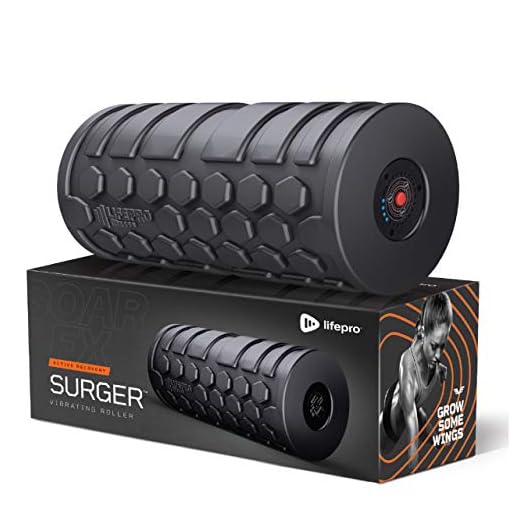
- Vibration: If the idea of rolling over a firm surface sounds too painful, there are electric models with built-in motors. The mechanical vibration acts as a distraction to your nervous system, allowing you to tolerate deeper pressure. If you are interested in this high-tech approach, you can explore the Best Vibrating Foam Rollers to see if the investment makes sense for you.
Next Steps
Foam rolling is a highly accessible, low-barrier habit to add to your daily routine. It offers a practical way to manage muscle tension and support your mobility through targeted compression, giving you a physical tool to combat everyday stiffness on your own schedule.
If you are ready to experience how a few minutes of daily rolling can impact your range of motion, the next step is finding the right model for your body. We have compared the top options on the market, from budget-friendly beginner rollers to high-tech vibrating devices for deep tissue work.
Read Next: Best Foam Rollers