It usually happens when you try to do something incredibly simple—like turning a tight doorknob, opening a stubborn jar, or gripping a steering wheel. A sudden, sharp twinge at the base of your hand serves as a harsh reminder of just how much heavy lifting your thumb actually does every single day.
When the joints and tendons at the base of the thumb become overworked or irritated, simple daily routines can become surprisingly difficult. This is where a thumb brace comes into the picture. Rather than relying on trial and error with different hand positions, a thumb brace acts as an external support system, designed to give your hand the structural backup it needs to rest.
If you are experiencing ongoing discomfort and are wondering if a brace might be a helpful addition to your routine, here is a breakdown of what these supports actually do and what you should expect before buying one.
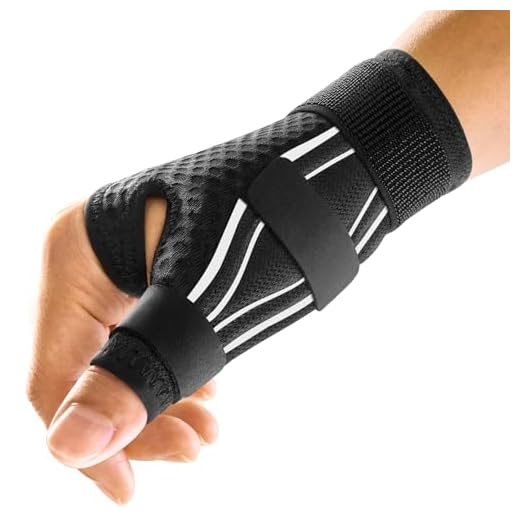
The Mechanics: How a Thumb Stabilizer Actually Works
It is important to understand that a thumb brace is not a magic remedy. It will not “cure” an underlying condition or “fix” damaged tissue overnight. Instead, its primary mechanism is simple physics: restriction and alignment.
When you have a flare-up of arthritis or tendon strain, every movement can cause further friction. A thumb brace (often called a spica splint) is designed to support the lower thumb joints, specifically the carpometacarpal (CMC) joint at the base. By wrapping securely around the wrist and the thumb, it limits your range of motion.
This immobilization prevents you from accidentally overextending your thumb or gripping things too tightly. By promoting proper alignment and taking the mechanical load off the soft tissues, the brace simply provides an environment where your hand can finally rest without you having to consciously think about it.
Could Your Routine Benefit from Extra Support?
You do not need to be a professional athlete to experience thumb strain. In fact, most people who look into thumb braces are dealing with the side effects of modern, repetitive lifestyles. You might find a stabilizer helpful if you fall into one of these categories:
- The Heavy Typist or Gamer: Hours spent hovering over a keyboard, clicking a mouse, or mashing a controller can lead to repetitive stress. A flexible brace can help alleviate the tension while still allowing you to work.
- New Parents: The constant, awkward lifting of a growing baby often leads to severe strain along the thumb and wrist tendons. A brace can help support the hand during these repetitive lifting motions.
- Those Managing Joint Aches: If you deal with morning stiffness or the dull ache of osteoarthritis, wearing a support can help manage the daily pressure placed on the joint.
- The Nighttime Curler: Many people subconsciously curl their hands into tight fists while they sleep, which can leave joints aching by morning. A rigid brace prevents this overnight clenching.
What to Expect: Daily Use and Cost
If you have never worn a splint before, the barrier to entry is thankfully quite low. Most standard thumb braces cost between $10 and $25, making them an accessible, low-risk tool to try out at home.
Incorporating one into your day is straightforward. For mild, activity-based strain, you might only wear the brace while performing the specific task that aggravates your hand (like typing or gardening). For ongoing aches or severe flare-ups, you might wear it for the majority of the day, taking it off only to shower. Many people find the most benefit from wearing a rigid stabilizer solely at night, allowing the hand to rest completely for a solid eight hours while they sleep.

The Adjustment Period: Downsides and Limitations
While thumb braces are genuinely useful, it’s worth being realistic about the learning curve. Wearing an orthopedic support comes with a few practical annoyances that you will have to navigate:
- Reduced Dexterity: By design, these braces limit your thumb movement. This means you will likely type slower, struggle to text with one hand, and find tasks like buttoning a shirt or tying shoelaces quite frustrating.
- The Heat Factor: Even “breathable” fabrics can get warm. Covering a portion of your hand in neoprene or padded mesh will inevitably lead to some sweating, especially in warmer climates or during physical activity.
- Wear and Tear: The hook-and-loop (Velcro) fasteners on these braces are notorious for wearing out over time. If you wear and wash your brace daily, you should expect to replace it every few months as the grip begins to fail.
- Skin Irritation: Depending on the shape of your hand, the edges of the brace can sometimes rub against the soft webbing between your thumb and index finger.
It is also important to remember that a brace is just a support tool. If your pain is sudden, severe, or simply isn’t improving after a few weeks of consistent use, it is always best to check in with a doctor for a proper diagnosis rather than continuing to self-treat.
Buying Advice: Choosing Your First Brace
If you are ready to pick up your first thumb brace, keep these four key elements in mind so you don’t end up with the wrong type of support:
- Check the Splint Rigidity: Look at what is inside the brace. If you need total immobilization (often best for nighttime use or severe strains), look for a brace with a rigid metal or aluminum stay. If you need to keep working or typing, look for a flexible plastic splint or a soft, fabric-only compression sleeve.
- Verify the Sizing: Most braces are not truly “one size fits all.” Pay close attention to the sizing charts, which usually require you to measure your wrist circumference. A poorly fitted brace will either cut off circulation or fail to provide adequate support.
- Look for Reversible Designs: Unless you are buying a highly specialized cast, try to find a “reversible” or “ambidextrous” brace. These can be worn on either the left or right hand, which is really handy if you ever experience pain on the opposite side down the road.
- Fabric Matters: If you plan to wear the brace to the office or during the summer, skip the thick, rubbery neoprene. Look for terms like “3D mesh” or “cooling fabric” to save yourself from uncomfortable, sweaty palms.
Living with constant hand strain isn’t just frustrating; it actively drains your energy. A good brace offers a simple, non-invasive way to hit pause on the irritation and let your hand recover. If you’re ready to find the right support for your daily routine, check out our top recommendations below.
Read Next: Best Thumb Braces for Arthritis & Tendonitis Relief