Morning heel pain usually begins before you even take your first step. That sharp, stabbing sensation—a hallmark of plantar fasciitis—is often the result of how your feet rest while you sleep. When you are at rest, your feet naturally point downward, causing the plantar fascia (the thick band of tissue along the bottom of your foot) to stay in a shortened, contracted position for hours.
The discomfort occurs the moment you stand up. That first step forces the tightened tissue to stretch abruptly before it has had a chance to “warm up.” By understanding that this pain is a physical reaction to overnight tightening, you can start looking at solutions that address the root of the morning struggle rather than just managing the symptoms after they start.
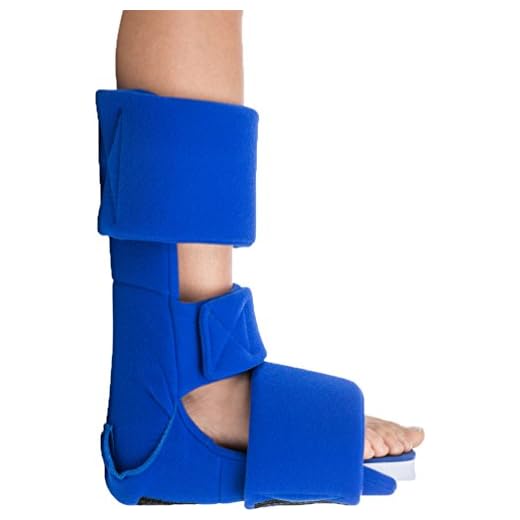
How Night Splints Work to Support Your Recovery
A night splint is a physical tool designed to gently interrupt that overnight tightening cycle. Instead of allowing the foot to point down, the splint holds the foot in a “neutral” or slightly flexed position (known as dorsiflexion) while you sleep.
By keeping the foot at a 90-degree angle, the splint provides a consistent, low-intensity stretch to the plantar fascia and the Achilles tendon. This physical alignment is designed to support the tissue in a lengthened state throughout the night. When you finally stand up in the morning, the tissue has already been held in a gentle stretch, which may help reduce the intensity of those initial, painful steps.
Is a Night Splint Right for Your Routine?
Not everyone with foot discomfort needs a rigid brace, but you might consider one if:
- Your heel pain is at its absolute worst during the first few steps of the day.
- The discomfort tends to subside slightly after you’ve walked around for ten or fifteen minutes.
- You find yourself “limping” through your morning routine until your feet “warm up.”
- Other methods, like daytime stretching or different footwear, haven’t quite provided the relief you’re looking for during those early morning hours.

Real Talk: The Learning Curve and Practical Limitations
While night splints are highly effective for many, they aren’t without their downsides. It’s important to be realistic about what it feels like to sleep with one before you dive in.
The “Bulk” Factor
Traditional boot-style splints can be quite large. If you are a restless sleeper or prefer to sleep on your stomach, you might find a rigid boot cumbersome or find that it gets caught in your bedsheets.
Heat and Skin Sensitivity
Because these devices wrap around the foot and calf, they can sometimes trap heat. For those who run warm at night, looking for low-profile “dorsal” designs or breathable materials is essential to ensure you don’t kick the brace off in the middle of the night.
Walking Hazards
Most night splints are designed strictly for use while sleeping or resting. Walking in them can be awkward and, in some cases, can damage the brace or cause a slip. If you frequently get up during the night, you’ll need to look for a model with a non-skid sole or be prepared to remove it before stepping out of bed.
Getting Started: What to Expect and Ease of Use
If you’ve decided the benefits outweigh the bulk, it’s helpful to think of a splint as a piece of “sleep equipment” rather than a standard sock.
- The Adjustment Period: Most users find it takes a few nights to get used to the sensation of having their foot held in a fixed position. It is often recommended to wear the splint for short periods while sitting on the couch before trying to sleep in it for a full night.
- Consistency is Key: A splint isn’t a one-time fix. It’s a tool that works best when used consistently as part of a broader management plan.
- Cost and Accessibility: Most splints are very affordable, typically ranging from $20 to $60. They are non-invasive and can be easily adjusted at home without special tools.
Choosing the Right Style for Your Comfort
When browsing for your first brace, you’ll generally see three main styles, and choosing between them is a balance of the level of stretch you need and the level of comfort you can actually sleep through.
- Dorsal Splints: These sit on the front of the leg and top of the foot, leaving the heel exposed and cool. They are great for those who feel claustrophobic in boots.
- Posterior Boots: These look like a “moon boot” and provide the most rigid, stable hold. They are often the most effective for a deep, consistent stretch.
- Sock Splints: These are soft sleeves that use a strap to pull the toes upward. These are often the most comfortable for side-sleepers but concentrate the stretch on the toes.

While some prefer the rock-solid stability of a medical-grade boot, others find that a lightweight sock is the only thing they can tolerate for eight hours. If you’re ready to see which specific models are leading the way in comfort and effectiveness this year, we’ve broken down the top options based on sleeping style, budget, and stability needs.
Read Next: Plantar Fasciitis Night Splints