There is a specific kind of frustration that comes with trigger finger. One minute your hand is working fine, and the next, a joint catches, clicks, or simply refuses to straighten without help. Technically called stenosing tenosynovitis, this condition is often the result of repetitive strain or inflammation that narrows the space within the tendon sheath.
Note: This guide is for informational purposes only and is not medical advice. If you have severe pain, numbness, tingling, or locking that won’t release, please consult a healthcare professional.
The Mechanics of Immobilization
While the “clicking” sensation is the most obvious symptom, the underlying issue is usually an angry, inflamed tendon that needs time to settle down. Since we use our hands constantly, giving that tendon a true break is nearly impossible without some help. This is where a splint becomes a practical tool for management rather than just a medical accessory.
To understand why a simple brace helps, picture a rope (the tendon) trying to move through a pulley (the sheath). If the rope is swollen or has a knot in it, it gets stuck. Every time you force it through, you irritate it further.

A splint works by physically stopping you from bending the finger. By holding the joint in a neutral, extended position, you prevent the tendon from entering the narrow part of the sheath where it gets stuck. This passive rest is designed to support the natural recovery process.
The Three Main Types of Splints
Before deciding if you need one, it helps to know what these products actually look like. They generally fall into three distinct categories, ranging from lightweight supports to heavy-duty immobilizers.
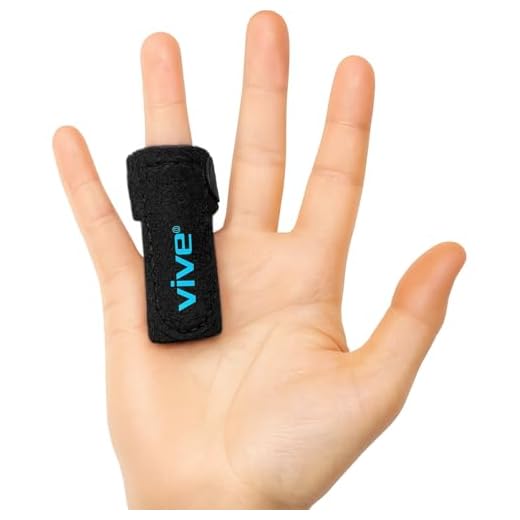
Knuckle (MCP) Splints
These are small, ring-like devices or short sleeves that sit only at the base of the finger (where it meets the palm). They are the least intrusive option.
- Best for: Daytime use. They stop the main “triggering” joint from bending but leave your fingertip free to type or grip a pen.
- Trade-off: They offer less stability than full-finger options.
Full-Finger Splints
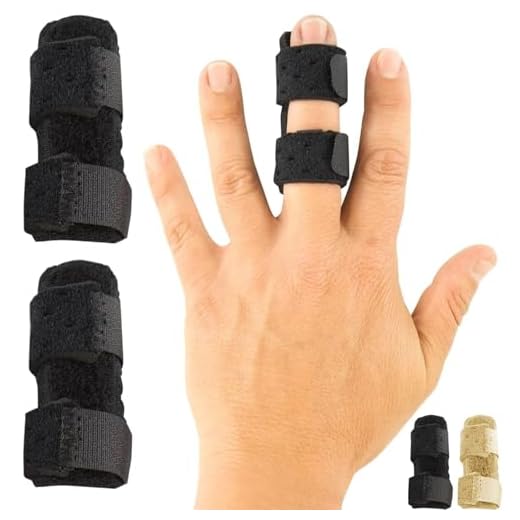
These feature a rigid bar (usually aluminum) that runs the entire length of the finger. They “float” on the hand, meaning they strap to the finger but don’t anchor to the wrist.
- Best for: General rest. They stop the whole finger from curling, which is great for protecting the tendon while relaxing or watching TV.
- Trade-off: You lose most dexterity in that hand while wearing it.
Wrist-Anchored Splints
These are larger braces that strap around the wrist and extend up the finger. They provide the strongest level of immobilization.
- Best for: Sleeping. Because they are anchored to the wrist, they cannot slip off, and they physically prevent you from making a fist in your sleep (the main cause of morning locking).
- Trade-off: They are bulky and not practical for active tasks.

Who Should Consider a Splint?
While only a doctor can diagnose the condition, there are common patterns people notice at home. A splint might be a helpful addition to your routine if:
- You have “Morning Claw”: You frequently wake up with a finger locked in a curled position. (A Wrist-Anchored splint is usually best here).
- You feel a “catch”: You experience a snapping sensation when straightening your finger during the day. (A Knuckle splint might help here).
- Tenderness in the palm: You have a sore spot at the base of the finger and want to protect it from impact or strain.
- Don’t forget the thumb: Triggering often happens here too (trigger thumb). Most universal splints fit thumbs, but always check the description to be sure.
Practical Expectations & Buying Tips
Using a splint is rarely an overnight fix; it is a management strategy that requires consistency. If you are buying one for the first time, keep these practical tips in mind:
- Ease Into It: You don’t necessarily need to wear it 24/7. Many people start with night use or just a few hours at a time and adjust based on comfort.
- Check the Edges: Since you will be wearing this for hours, ensure the Velcro straps are not sharp or scratchy against your other fingers.
- Hygiene Matters: Hands get sweaty. Look for neoprene blends that are breathable and, ideally, easy to hand wash.
- Adjustability: If you have slender fingers or swelling that fluctuates, “one size fits all” plastic sleeves might not work. Adjustable Velcro straps are generally safer for a first purchase.
Next Steps
If you are ready to give your hand a break, the market is full of options ranging from doctor-developed kits to simple multipacks. We have analyzed and categorized the most popular choices to help you find the right balance of comfort and stability.
Read Next: Best Trigger Finger Splints