For many people, the day starts before they even get out of bed—assessing just how stiff their hands feel this morning. Whether it is struggling to button a shirt, finding it difficult to grip a coffee mug, or simply typing that first email of the day, stiff and aching joints can turn small tasks into frustrating hurdles.
While medication and physical therapy play major roles in managing joint health, many people look for a daily, non-invasive tool to help manage the discomfort. This is where arthritis gloves (or compression gloves) come in. They aren’t magic wands, but for thousands of users, they are a simple, accessible way to bring some relief to aching hands.
How Do They Actually Work?
At first glance, these might look like regular fingerless gloves you would wear in a chilly office. However, the design is rooted in two specific principles: compression and warmth.
Compression: These gloves are made from elastic materials (like spandex, Lycra, or copper-infused nylon) designed to fit snugly against your skin. This constant, mild squeezing sensation serves a purpose. It helps to support the underlying tissue and, more importantly, can help reduce the accumulation of fluids. By keeping swelling down, the joints may feel less boggy and easier to move.
Warmth: Because they hug the hand so tightly, they trap body heat effectively. Heat is a well-known therapy for stiff joints; it encourages blood flow and relaxes the soft tissues, which can make movement feel less “creaky.”
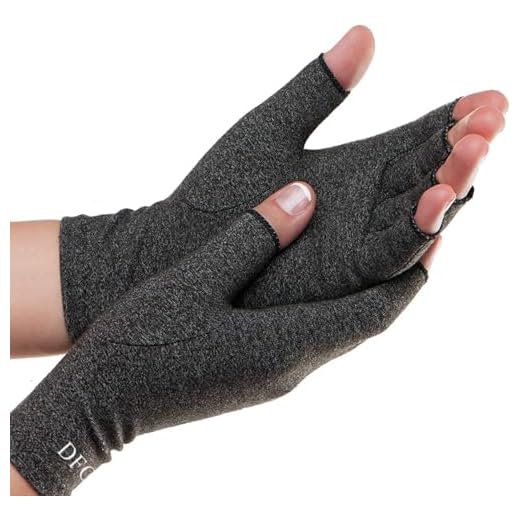
Most arthritis gloves feature an open-finger design. This is a practical necessity. It allows you to feel textures, type on a keyboard, and use touchscreens without taking the gloves off. You get the support over the palm and the knuckles, but you keep your tactile freedom.
Who Should Consider Wearing Them?
You don’t need a specific diagnosis to find these gloves useful, but they are most commonly sought out by people dealing with a few specific issues:
- Morning Stiffness: Many users wear them overnight. The compression and warmth help prevent fluids from pooling in the joints while you sleep, potentially leading to “looser” hands when you wake up.
- Raynaud’s Phenomenon: If you suffer from cold hands or poor circulation, the thermal properties of these gloves can be a game-changer in keeping your fingers from turning white or blue in air-conditioned rooms.
- Swelling (Edema): If you notice your rings getting tight or your fingers looking puffy, the gentle squeeze of the glove can help manage that fluid retention.
- Repetitive Strain: Writers, knitters, and gamers often use them to provide extra support to the muscles and tendons during long sessions of fine motor work.
Real Talk: The Limitations and Learning Curve
While these gloves can be incredibly helpful, it is important to have realistic expectations so you aren’t disappointed.
They are not a cure. Arthritis gloves manage symptoms; they do not fix the underlying condition. They are a tool for comfort, designed to take the edge off the pain or make movement slightly easier.
Sizing is tricky. Getting the fit right is the hardest part. If they are too loose, they are just warm gloves with no therapeutic value. If they are too tight, they can cut off circulation and cause numbness. You often have to measure your hand carefully, and even then, some trial and error is common.
Durability varies. Because these gloves are made of stretchy fabric and are worn for everything from sleeping to driving, they take a beating. Seams—especially around the thumb and fingers—can split, and grippy rubber lines on the palms tend to peel off over time. Treat them as a “consumable” item that will likely need replacing every few months rather than a one-time purchase.
Sensory adjustments. If you are sensitive to touch, the feeling of a tight squeeze around your wrist and palm can take some getting used to. Some people find the seams inside the glove irritating and choose to wear them inside out.
Finding the Right Pair
If you think your hands could benefit from that extra “hand hug” of support, the next step is finding a pair that actually fits your lifestyle. Not all gloves are built the same; some are sleek and slippery for athletic use, while others are soft and cotton-rich for sleeping.
We have broken down the top options for 2026 to help you navigate the differences. Whether you need a rugged pair with extra grip for driving, a seamless option for sensitive skin, or a budget-friendly multipack to keep in the car, our guide covers the pros and cons of each to help you make the right choice.
Read the full guide: The Best Arthritis Gloves