Have you ever noticed how tightly you clench your jaw or furrow your brow during a stressful workday? That physical tension doesn’t just stay in your face—it travels up and settles right into the muscles of your head. For a long time, scalp care was essentially an afterthought for most of us, limited to quickly rubbing in some shampoo and rinsing it out.
But recently, tools designed specifically to knead, scrub, and stimulate the top of your head have become widely popular. If you are wondering whether you actually need another gadget in your bathroom, it helps to understand what these tools are designed to support, how to use them without tangling your hair, and what you should know before buying your first one.

What Are Scalp Massagers and How Do They Work?
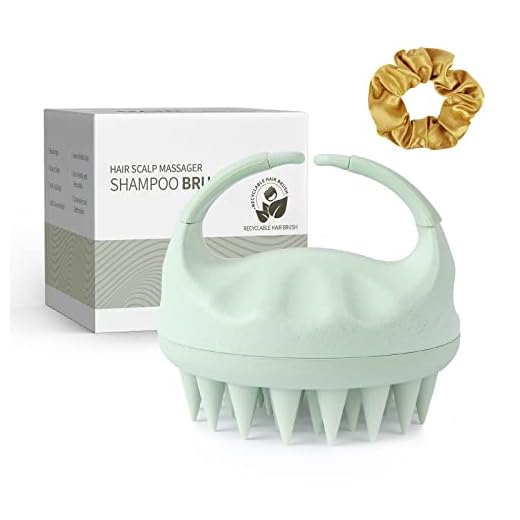
Scalp massagers are simple handheld tools designed to physically manipulate the skin and muscles on your head. They generally fall into three categories:
- Manual Scrubbers: These are usually small, hand-held silicone brushes that you use manually in the shower. They cost anywhere from $5 to $15 and rely entirely on your own hand movement.
- Electric Kneaders: These are battery-operated, often waterproof gadgets with rotating nodes or vibrating prongs. They do the physical work for you and typically range from $25 to $70.
- Wooden Massagers: These are rigid, comb-style tools designed strictly for dry use. They require no batteries and rely on your manual pressure to relieve tension or distribute hair oils, usually costing under $10.
All three types are designed to be integrated into your daily routine easily. Manual scrubbers can simply live in your shower caddy to be used on wash days, while dry-use electric or wooden massagers can sit on your nightstand or work desk for a quick five-minute relaxation session.
The Physical Benefits: Beyond Just Feeling Good
While the immediate sensation is undeniably relaxing, the practical benefits are genuinely useful ones—though it is worth noting these are comfort and hygiene tools, not medical devices meant for treating severe scalp conditions or chronic tension headaches. Instead of focusing on biological claims, let’s look at the physical mechanics of what these tools actually do:
- Deep Exfoliation: Just like the skin on your face, your scalp accumulates dead skin cells, excess sebum, and leftover hair products (like dry shampoo). The firm bristles of a massager physically lift and break down this buildup much more effectively than the soft pads of your fingertips.
- Tension Relief: The muscles covering your skull can become tight from poor posture or screen time. The kneading action of an electric massager or the targeted pressure of a wooden comb promotes physical loosening of these tight areas, which may help reduce the feeling of tension after a long day.
- Product Distribution: If you use hair serums, oils, or just want to get the most out of your shampoo, a massager helps distribute the product evenly down to the root, ensuring you aren’t just coating the top layer of your hair.
The Reality Check: Tangled Hair and Maintenance
As great as they are, adding a new step to your shower routine isn’t always perfectly seamless. If you are new to these gadgets, there is a slight learning curve and a few practical quirks to be aware of.
The Tangling Risk
The biggest complaint from first-time users is accidentally knotting their hair. If you take a massager and vigorously rub it in large circles all over your head, you will likely end up with a tangled bird’s nest—especially if you have thick, curly, or very long hair. The correct technique is to press the massager down, let it knead or wiggle it slightly in place, lift it completely off the scalp, and place it down on the next section.
Upkeep and Mold
Many budget-friendly manual massagers feature a two-piece design where the silicone bristle pad is glued into a hard plastic handle. Over time, water can seep into the gap between these pieces. If you don’t take it apart to dry, it can quickly become a breeding ground for mold and mildew in your shower.
Are They Right For Your Routine?
You might want to consider adding one of these tools to your routine if:
- You constantly feel tension in your head, neck, or shoulders after work and want a screen-free way to unwind.
- You struggle with product buildup or dry, flaky skin that standard shampooing doesn’t seem to clear up.
- You love the feeling of a professional salon hair wash and want to replicate that deep-clean sensation at home.
- You have limited hand mobility or arthritis, making it tiring to manually scrub your head during showers (an electric model is perfect for this).
Buying Advice for First-Timers
If you’ve decided to give one a try, here is what to look for so you get the right fit:
- Check the Bristle Density: If you have very thick or dense hair, look for a tool with longer, finer bristles (like nylon) rather than thick, stubby silicone nubs, which may struggle to reach your actual scalp.
- Look for IPX7 Waterproofing: If you are buying an electric model to use with shampoo, ensure it has a certified IPX7 waterproof rating so it can safely be submerged.
- Vibration vs. Kneading: If you opt for an electric model, pay attention to how it moves. Some rely on intense vibration rather than a physical kneading motion, which can feel loud or buzzy near the ears rather than deeply relaxing.

Ready to Upgrade Your Wash Day?
Whether you just want a simple silicone brush to help lather your shampoo or an automated, spa-like device to melt away the workday tension, there is a tool out there that fits your budget and hair type.
Read Next: Best Scalp Massagers