If you have scrolled through Instagram or TikTok lately, you have likely seen your favorite influencers or celebrities looking like extras from a sci-fi movie. LED face masks are everywhere. They glow in red, blue, and amber, and they promise to turn back the clock while you sit on your couch watching Netflix.
But whenever a skincare trend explodes this quickly, it is natural to be skeptical. Is this just an expensive flashlight, or is there legitimate science behind the glow?
The truth is somewhere in the middle. While no device is a magic wand, red light therapy is one of the few at-home skincare technologies backed by decades of clinical research. However, understanding how it works—and accepting what it can’t do—is crucial before you drop money on one.
How It Works (The Simple Version)
At its core, red light therapy is about energy.
Unlike UV light from the sun, which can damage DNA, specific wavelengths of red and near-infrared light are designed to be absorbed by the mitochondria in your cells. Think of mitochondria as the “batteries” of your skin cells. When they absorb this specific light energy, they may produce more ATP (cellular energy).
When your cells have more energy, they can do their jobs more efficiently. In the context of skin, this means:
- Collagen Support: It supports the natural processes that build collagen, which helps maintain skin firmness.
- Circulation: It may promote better blood flow, bringing oxygen and nutrients to the skin’s surface.
- Inflammation: Many people use red light to help calm redness and soothe the skin.
The Wavelengths Matter
Not all red light is the same. To be effective, the light needs to be within a specific range.
- Red Light (630nm – 660nm): This targets the surface layers and is primarily used for texture and fine lines.
- Near-Infrared Light (800nm – 850nm): This is invisible to the naked eye but penetrates deeper. It is often used to support tissue repair and inflammation reduction.
That is why the technical specifications matter more than the brand hype—if the wavelengths aren’t right, the results won’t follow.
The Reality Check: Consistency & Patience
This is the section most marketing campaigns skip. If you buy a mask expecting to look ten years younger after one 10-minute session, you will be disappointed.
Red light therapy is a cumulative process, much like going to the gym. One workout doesn’t give you abs, and one light session won’t erase wrinkles. Most successful users treat it as a consistent habit (3–5 times per week) rather than a quick fix.
The Practical “Downsides”:
- It takes time: Visible changes often take 8 to 12 weeks of consistent use.
- It requires discipline: Sitting with a mask on for 10–20 minutes requires carving out time in your day.
- The upfront cost: Good devices are an investment, often costing more than a year’s supply of fancy face cream.
Who Is This Actually For?
You don’t need an LED mask to have great skin, but it can be a powerful tool for specific people. This technology might be a good fit if:
- You want to boost your existing routine: You already use serums and sunscreen but want to add a non-chemical layer of support.
- You dislike invasive procedures: If you are trying to avoid or delay needles and lasers, this is a non-invasive alternative designed to support skin health.
- You struggle with inflammation: Beyond anti-aging, many people find red light helpful for managing sensitive or reactive skin.
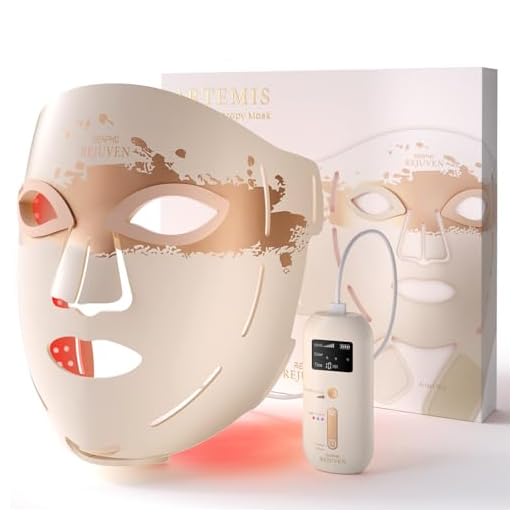
What to Look For Before You Buy
The market is flooded with cheap knockoffs that are essentially decorative LEDs with weak output. To get the benefits, you need a device that hits the right specs.
1. The Right Wavelengths
Ensure the device explicitly states it uses Red (around 630-660nm) and, ideally, Near-Infrared (around 850nm). If a mask doesn’t list the wavelengths, it’s a red flag.
2. Fit and Comfort (Crucial)
This is the number one reason people stop using their masks.
- Rigid Masks: These look like hockey masks. They don’t touch the skin, which is hygienic, but they can be heavy and uncomfortable on the nose bridge.
- Flexible Silicone: These lay flat against the face. They are generally more comfortable and, because the lights are closer to the skin, you often get better light absorption.
3. Cordless vs. Corded
Do you want to be tethered to a wall outlet for 10 minutes? Most modern masks now come with rechargeable battery packs, allowing you to walk around or fold laundry while you glow.

Safety Basics
While LED therapy is generally considered safe for most skin types, it is important to use common sense. Always follow the manufacturer’s guide regarding eye protection—some masks require goggles, while others are safe with eyes closed. If you are taking photosensitizing medications (like certain antibiotics or isotretinoin), are pregnant, or have melasma (which can sometimes react to heat or light), check with your doctor before starting.
Final Thoughts
Red light therapy is a legitimate tool in the modern skincare arsenal, offering a way to support collagen and skin health from the comfort of your home. It isn’t a miracle cure, but for those willing to commit to the routine, the long-term benefits can be substantial.
If you are ready to invest in your skin, the next step is finding a mask that actually fits your face and your budget.
Read Next: Best Red Light Therapy Masks