

We often neglect our feet. They carry us through long shifts, endure uncomfortable shoes, and bear the brunt of our daily exercise, yet they are usually the last part of the body to get any attention. You might have seen foot spas at the local nail salon—those bubbling basins of warm water that seem to instantly melt away tension—but bringing that experience into your living room is easier and more beneficial than you might think.
A home foot spa is more than just a plastic tub; it is a dedicated tool for self-care that combines heat, texture, and hydrotherapy to reset your body after a demanding day. If you have been curious about whether one of these gadgets is worth the cupboard space, here is a look at how they work and why they might be the upgrade your evening routine needs.
The Science of Soaking
At its core, a foot spa utilizes the principles of hydrotherapy. When you submerge your feet in warm water, the temperature helps to slightly dilate blood vessels, which can encourage improved circulation in the lower extremities. This is particularly relieving if you spend hours standing or sitting in one position, as it may help reduce the feeling of heaviness or temporary swelling in the ankles.
Beyond the blood flow, there is the sensory benefit of texture. Most home units are lined with rollers or acupressure nodes. While these don’t replace the hands of a skilled masseuse, moving your feet over these textures can stimulate nerve endings in the soles, sending signals to the brain that help lower stress levels. It acts as a “pattern interrupt” for your nervous system, signaling that the work day is done and it is time to transition into rest mode.
Setting the Scene: How It Works
Using a foot spa is intended to be a low-effort activity. Modern devices are generally “plug and play.” You fill the basin with water (some require hot water to start, while others can heat it up for you), place it on a towel in front of your favorite chair, and turn it on.
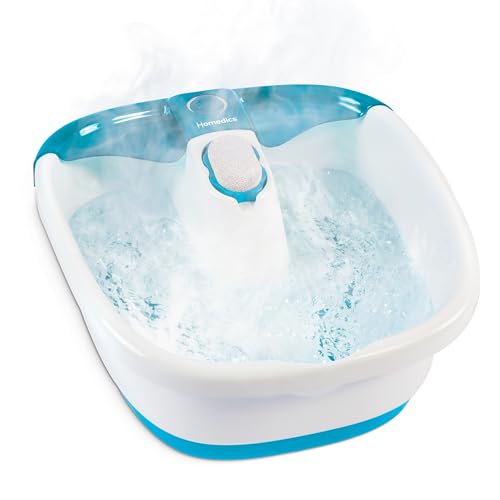
The experience is usually a mix of heat and gentle agitation from bubbles. While you sit back—perhaps watching TV or reading—you control the massage by rolling your feet back and forth over the manual rollers at the bottom of the basin. It is a simple, practical way to force yourself to sit down for twenty minutes without feeling guilty.

From Buckets to Gadgets: What to Expect
Not all foot spas are created equal. Walking down the aisle (or scrolling Amazon), you will generally see three main tiers of features. Understanding these will help you decide if you need a simple soak or a high-tech experience.
1. The Heating Element (The Big Differentiator)
This is the most critical feature.
- Keep-Warm: Cheaper models often only have “heat maintenance.” This means you must fill them with hot water from a kettle, and the machine just slows down the cooling process.
- Active Heating: Better models have PTC heaters (Positive Temperature Coefficient) that actively heat cold water and maintain a precise temperature (usually between 95°F and 118°F).
2. The Texture & Massage
Almost every foot spa has a textured floor.
- Rollers: Most units have plastic rollers at the bottom. Note: In 90% of home spas, these are manual. You have to move your feet back and forth to get the massage.
- Bubbles & Vibration: These provide a gentle sensory experience. The bubbles are usually a light fizz (think champagne, not Jacuzzi) designed to circulate the water.
3. The Pedicure Station
Many units act as a prep-station for pedicures. Look for models with a dedicated pumice stone attachment—often located in the center console. This allows you to easily exfoliate rough heels while your skin is soft from the soak.
4. Convenience Features
- Collapsible Designs: Since rigid plastic tubs are hard to store, many modern spas have silicone walls that fold down flat (like a collapsible colander) so they can slide under a bed.
- Remotes: If you have back pain or just want to stay relaxed, a model with a remote control is essential so you don’t have to lean forward to adjust the heat.
Is This For You?
You don’t need a specific foot condition to enjoy a soak, but certain lifestyles tend to see the biggest return on investment from owning one.
- The “On-Your-Feet” Worker: If you work in retail, healthcare, or hospitality, you know the specific throb of “shift feet.” A warm soak can help soothe those overworked muscles and joints.
- The Cold Sleeper: If you struggle to fall asleep because your feet are freezing, a pre-bed soak can warm your extremities, which helps regulate your core body temperature and may promote better sleep onset.
- The Runner or Walker: For those clocking miles on the pavement, the buoyancy of the water takes the weight off your arches, while the heat helps relax tight tendons.
- The DIY Pedicure Fan: Softening the skin is step one of any good pedicure. A foot spa makes tackling calluses with a pumice stone significantly easier and more effective.
What to Watch For (The Honest Truth)
While the idea of a foot spa is dreamy, there are some practical realities to consider before buying one to ensure it doesn’t end up gathering dust.
The Weight of Water
Water is heavy—roughly 8 pounds per gallon. Once you fill a spa, carrying it from the sink to the living room can be a precarious balancing act. If you have back issues, look for models with sturdy handles or consider filling it using a pitcher once it’s already on the floor.
The “Massage” Misconception
It is important to manage expectations regarding the massage function. As mentioned above, unless you pay a premium for motorized units, you will be doing the work yourself by rubbing your feet against the rollers.
Cleaning and Noise
Any device with a motor will make a hum. While most are quiet enough to watch TV over, they aren’t silent. Furthermore, you need to be mindful of what you put in the water. Many electric models with bubble jets can get clogged if you use thick creams or certain salts, so always check the manufacturer’s guidelines.
Finding Your Fit
Ultimately, a foot spa is a simple, effective way to prioritize your physical comfort. Whether you want to soften rough skin or just warm up on a cold winter night, having one on hand can turn a Tuesday evening into a mini-retreat.
If you are ready to explore the options, we have rounded up the top models of the year, focusing on the ones that actually keep the water hot and fold away when you’re done.
Read Next: Best Home Foot Spas
Keep exploring
More on Home Spa & Wellness
Related guides, explanations and reviews from the same topic.


