If you are a side sleeper, you are part of the majority. It is the most common sleeping position, and for good reason—it’s generally comfortable and great for reducing snoring. But it comes with a hidden cost that usually presents itself the moment you try to get out of bed in the morning: a stiff lower back or aching hips.
You might have already tried the old trick of stuffing a regular bed pillow between your knees. It works for about twenty minutes, but by morning, that pillow is usually flat, hot, or on the floor.
There is a simple, ergonomic tool designed specifically for this issue. It isn’t a magic wand, but for many, a knee pillow is the missing link to a more comfortable morning. Here is why adding this small wedge of foam to your sleep routine might be one of the easiest changes you make for your back.
The Mechanics of Misalignment
To understand why you hurt, you have to look at gravity. When you lie on your side, your top leg naturally drops forward and down toward the mattress. This drag pulls your pelvis into a twisted position, which in turn rotates your lumbar spine (lower back).
You spend hours every night in this twisted state. Over time, this creates torque on your lower spine and stresses your hip joints.
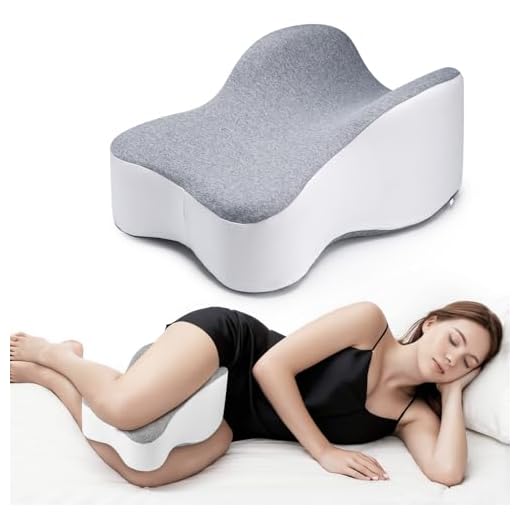
A knee pillow acts as a spacer. By placing a supportive cushion between your knees, you physically prevent that top leg from dropping. This keeps your hips stacked vertically and maintains a neutral alignment for your spine. The goal isn’t just comfort; it is to keep your skeletal structure aligned, which may help reduce tension on the sciatic nerve and lower back muscles.
Who Should Consider a Knee Pillow?
You don’t need a diagnosis to benefit from better alignment, but this tool is particularly helpful if you fall into one of these categories:
- The “Pillow Hugger”: If you already sleep with a duvet or pillow bunched up between your legs, your body is naturally craving this support.
- Sciatica Sufferers: Keeping the hips aligned may help alleviate pressure on the sciatic nerve.
- Pregnancy: The added weight on the hips makes side sleeping necessary but often uncomfortable; a knee pillow supports the changing pelvic angle.
- Post-Surgery Recovery: Doctors frequently recommend these for recovery after hip or knee replacements to prevent rotation.
One Size Does Not Fit All
This is the most common mistake beginners make: buying a “universal” pillow and wondering why it doesn’t work.
Your body frame dictates what you need. If you have wider hips, you naturally need a thicker pillow to fill the gap between your knees and keep your top leg level. If you are petite, a thick pillow might force your legs too far apart, causing a different kind of strain.
Some of the best options on the market now come in different sizes (Small, Medium, Large) or have adjustable layers. Paying attention to size is just as important as the foam quality.
What If I Sleep on My Back?
If you prefer sleeping on your back but still wake up with soreness, putting a pillow between your knees won’t help—but putting one under them will.
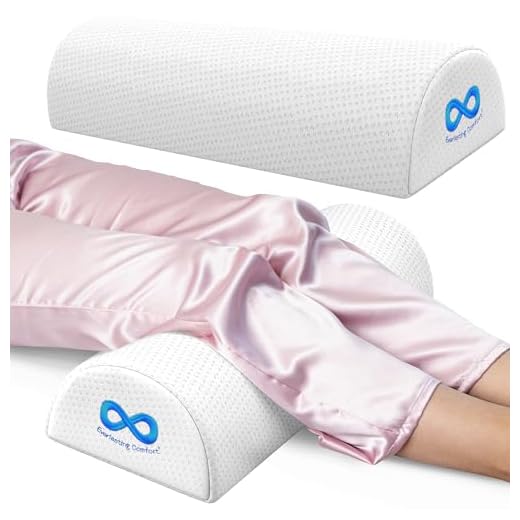
For back sleepers, a “knee wedge” or half-moon bolster placed underneath the knees helps flatten the lumbar spine against the mattress. This slight elevation can help take tension off the lower back by keeping the spine in a more comfortable position. While most knee pillows are for side sleepers, there are specific wedge designs made just for you.
The Learning Curve (Real Talk)
Let’s be honest—sleeping with a block of foam between your legs feels weird at first.
While the relief is often immediate, the habit takes time to build. The first few nights, you might feel restricted. If you are a restless sleeper who switches from side to side, maneuvering the pillow with you can be annoying (though some models have straps to solve this).
You may also wake up to find you have kicked it out of bed. This is normal. For many people, it takes several nights to a week for the brain to accept the pillow as part of the sleep posture. Don’t give up after one night.
Note: If your pain is severe, worsening, or comes with numbness or tingling, it is worth speaking with a qualified clinician rather than relying solely on home remedies.
How to Choose the Right One
Not all foam wedges are created equal. If you are looking to buy your first knee pillow, here is what to watch out for:
- Density Matters: Avoid soft “fluff.” You need high-density memory foam. If the pillow squishes flat when your knees squeeze it, it isn’t doing its job.
- Shape: An “hourglass” or contoured shape is standard as it stays between the knees better than a square block.
- Heat: Memory foam retains heat. If you sleep hot, look for “cooling gel” versions or ventilated foam.
- Cover: Make sure it has a removable, washable cover. You are using this every night; hygiene is important.
Feature Highlight: The Standard Choice
If you’re buying your first one, start with a contoured memory foam knee pillow, since it tends to stay in place and suits most side sleepers.

Ready to Align Your Spine?
A knee pillow is a low-cost investment with a potentially high return for your physical well-being. It helps support a neutral spine, promotes better circulation, and may help reduce the morning aches that ruin your day before it starts.
If you are ready to stop using a flattened bed pillow and get dedicated support, check out our roundup of the top-rated options on the market.
Read Next: The Best Knee Pillows