You have probably seen them by now—whether it’s at the local gym, in an Instagram ad, or sitting on a shelf at an electronics store. They look a bit like power drills, sound like small jackhammers, and promise the kind of relief we usually associate with a spa visit.
But when a gadget becomes this trendy, it is natural to wonder: Is it actually doing anything, or is it just an expensive way to vibrate your muscles?
The reality is that percussive therapy (the fancy term for what these guns do) has moved far beyond the realm of professional athletes. It is no longer just about elite sports performance; it is about managing the daily aches of modern life, from “tech neck” to lower back stiffness caused by long commutes.
Here is a breakdown of what these devices actually do, who they are designed for, and whether one belongs in your living room.
How Percussive Therapy Works
At its core, a massage gun is designed to deliver rapid bursts of pressure into the body’s muscle tissue. Unlike a standard vibrating foam roller or a massage pillow that works on the surface, a massage gun is built to reach deeper.
The mechanism is fairly simple: the head of the gun moves back and forth (amplitude) at a high speed (frequency). When applied to the body, this rapid impact may help to:
- Increase local blood flow: The rapid pulsing may help stimulate circulation in the area, which is often why your skin turns pink/red after a few seconds of use.
- Reduce the sensation of tension: The rhythmic pounding may reduce the perception of tension temporarily, acting as a distraction for pain signals.
- Promote mobility: For those who feel stiff in the mornings, percussive therapy may help you feel looser and move more freely before you even start your day.
(Note: This is general information, not medical advice—if you have an injury or medical condition, always check with a clinician first.)
Who Is This Actually For?
You might think you need to be running marathons or lifting heavy weights to justify owning one, but that isn’t the case anymore. While they are fantastic tools for post-workout recovery, the benefits extend to specific “lifestyle” users:
- The Desk Worker: If you spend 8 hours a day hunched over a keyboard, you likely deal with tightness in your upper traps (shoulders) and hips. A quick 2-minute session can help alleviate that “locked up” feeling.
- The Commuter: Long drives often result in a stiff lower back. Keeping a device handy can help support muscle relaxation after being stuck in a static position.
- The Poor Sleeper: Many users find that a gentle, low-speed routine on the legs and glutes before bed helps calm the nervous system and promote relaxation.
The Verdict: Are They Actually Worth the Money?
Short Answer: Yes, for most people—but with realistic expectations.
Long Answer: If you are looking for a magic wand that will permanently “fix” a bad back, you might be disappointed. However, if you are looking for a tool that bridges the gap between doing nothing and paying $100 for a professional massage, they are absolutely worth the investment.
They are essentially “maintenance tools.” For the price of one or two physio sessions, you get a device that provides immediate, daily relief for stiff shoulders, tight calves, and post-work stress. They won’t cure an injury, but they are arguably the most effective at-home tool available for managing the daily aches of modern life.
Featured Product
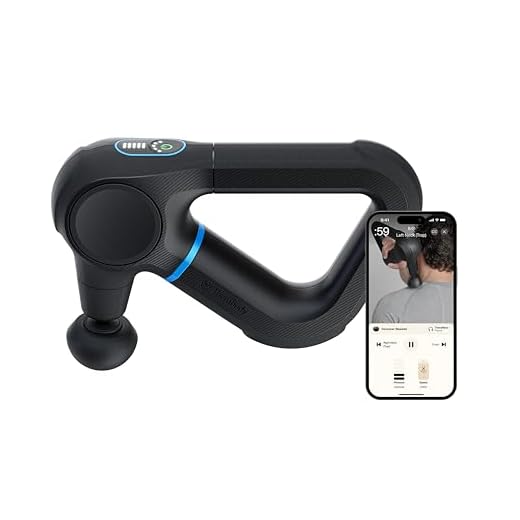
If you are looking for the device that balances durability with ease of use, the Theragun Prime is the current standout. It features a unique triangular handle that makes it incredibly easy to reach your own back without straining.
A Crash Course: How to Use One Safely
Owning the tool is one thing; using it correctly is another. There is a learning curve, and using it incorrectly can actually leave you feeling more sore.
- Avoid the Bone: This is the golden rule. Never run the gun over your spine, joints, ankles, or neck vertebrae. The device acts like a hammer; hitting a bone will hurt. Stick to the “meaty” parts of the muscle.
- Float, Don’t Push: You generally do not need to press the gun hard into your skin. Let the weight of the device do the work.
- Keep it Moving: Don’t stay on one spot for more than 10-15 seconds. Glide the device along the muscle belly.
- Less is More: You don’t need a 20-minute session. Usually, 1 to 2 minutes per muscle group is enough to see benefits.
Buying Advice: What Matters?
If you decide to pick one up, you don’t necessarily need the most expensive model, but you should look out for three things:
- Stall Force: This refers to how much pressure you can apply before the motor stops. If you like deep pressure, look for a higher stall force so the gun doesn’t quit when you push it into a knot.
- Ergonomics: You will be holding this with one hand, often at awkward angles. Heavy, bulky units can tire your wrist out quickly.
- Noise Level: Older models sounded like construction work. Newer devices are much quieter, allowing you to use them while watching TV without annoying your family.
Ready to Find the Right One?
If you think a massage gun could help you manage daily stiffness or support your recovery routine, the next step is navigating the hundreds of options available.
We have sorted through the noise to find the top performers of the year, from budget-friendly picks to professional-grade tools.
Read Next: The Best Massage Guns