Anyone who has tried to manage joint discomfort or post-surgery swelling knows the standard routine: you grab a gel pack from the freezer or a bag of frozen peas, wrap it in a thin towel, and try to balance it on your knee or shoulder. Ten minutes later, the peas are thawing, the condensation is soaking your clothes, and the pack has slid completely out of place.
If you have to do this a few times a day, it’s annoying. If you are instructed to do this around the clock following a major procedure, it becomes exhausting.
This is where an ice therapy machine steps in. Rather than relying on a static, quickly melting block of ice, these machines are designed to provide consistent, hands-free cooling exactly where you need it.
The Mechanics: How Circulating Cold Therapy Works
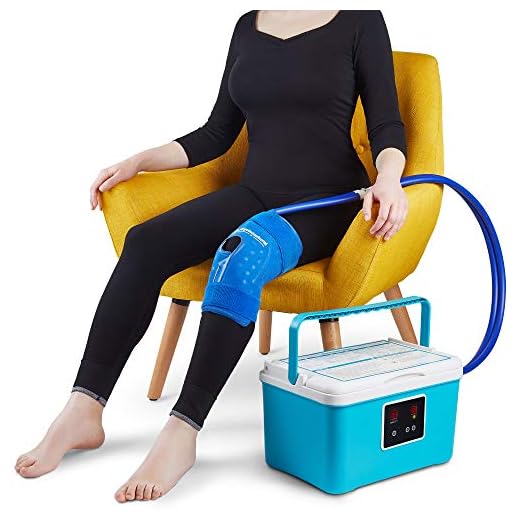
At its core, an ice therapy machine is a relatively simple setup. It consists of a large reservoir (often resembling a standard camping cooler or an insulated bucket) that you fill with water and ice. A small, motorized pump sits inside or attaches to the cooler.
This pump pushes the ice-cold water out through a flexible hose and into a specialized, wearable therapy pad. The pad is designed to wrap snugly around a specific joint—like a knee, shoulder, or ankle—using Velcro straps. As the cold water circulates through the internal channels of the pad, it provides continuous cooling and gentle compression to the area before cycling back into the cooler to be chilled again.
Because the water is constantly moving, it helps maintain a steady temperature. This mechanism may help manage swelling and can alleviate the sharp discomfort that often accompanies joint stress, without the uneven temperature swings of traditional ice packs.
Is an Ice Therapy Machine Right for Your Recovery?
Not everyone who bumps their knee needs a motorized cooler next to their bed. So, who actually benefits from stepping up to a cold therapy machine?
- Post-Operative Patients: If you are preparing for a total joint replacement, rotator cuff repair, or ACL surgery, your medical team will likely emphasize the importance of managing inflammation. These machines are often recommended by physical therapists because they deliver consistent cooling therapy during those critical first few weeks.
- People with Ongoing Joint Conditions: Individuals dealing with ongoing flare-ups from conditions like arthritis or severe tendonitis often find that standard ice packs simply don’t last long enough to provide meaningful relief.
- Those Seeking Restful Sleep: Some advanced units feature programmable timers that automatically cycle the cold water on and off. This means you can receive cooling therapy throughout the night without needing to wake up, fetch a new ice pack, or worry about over-chilling your skin.
A quick note on expectations: While these machines are fantastic tools for managing daily discomfort, they are designed purely to support your comfort and are not guaranteed to cure or fix any underlying joint condition. The information here is for educational purposes, so always consult with your doctor or physical therapist before starting a new at-home recovery protocol to ensure it’s safe for your specific injury.

The Reality Check: Limitations and the Learning Curve
While these gadgets are incredibly helpful, it’s important to offer some honest advice about what it’s actually like to use one daily. They aren’t magic, and they do come with a few practical downsides.
You Are Tethered
When you are hooked up to the machine, you are attached to a hose. You cannot easily get up to grab a snack or go to the bathroom without either unplugging the power, unclipping the hoses, or taking the whole pad off. You have to plan your icing sessions around periods where you intend to be completely stationary.
The Setup Can Be Clunky
Maneuvering thick hoses and aggressive Velcro straps can be a wrestling match. If you are recovering from shoulder surgery and only have one good arm, you will almost certainly need a partner or helper to get the pad secured correctly and the hoses clicked into place. The quick-connect valves often require a firm push to prevent leaks.
Condensation Happens
Especially if you opt for a soft-sided, collapsible bucket model rather than a hard plastic cooler, the exterior of the machine and the hoses can “sweat” in humid environments. You will likely need to keep a towel placed underneath the unit to protect your floors or furniture from water rings.
Daily Use and What to Expect
If you decide to integrate one of these into your routine, the thing that makes the biggest practical difference is how you manage the ice.
Instead of constantly buying bags of loose ice from the gas station, many users rely on the “frozen water bottle” method. By placing 6 to 8 frozen plastic water bottles inside the reservoir and filling the rest with water, the bottles act as massive, reusable ice cubes. This can keep the water chilled for many hours. When the water inside the bottles thaws, you simply swap them out for a fresh set from your freezer.
In terms of cost, expect to invest roughly $100 at the budget end, up to around $250 for premium models equipped with programmable timers and large-capacity insulated coolers.
What to Look Out For When Buying
If you are shopping for your first machine, keep these factors in mind:
- Timers are invaluable: A machine with an automated “loop” timer (e.g., 20 minutes on, 20 minutes off) is highly recommended if you plan to use it while sleeping.
- Pad shape matters: Ensure the machine you choose offers a pad specifically contoured for the body part you are treating. A universal pad is okay, but a dedicated shoulder or knee pad will conform much better.
- Storage space: If you have limited closet space, look into units with collapsible, soft-sided reservoirs that fold flat once your recovery is over.
If you are tired of the melting ice pack routine and want to explore the specific models that make recovery more manageable, we’ve put together a guide to the best options available to help you find the right fit for your needs and budget.
Read Next: Best Ice Therapy Machines