You have likely seen the videos on social media: someone breaking through a frozen lake, or a fitness influencer sitting calmly in a tub full of ice cubes, breathing like a monk.
For a long time, cold plunging was just a niche athlete secret. But recently, it has exploded into a mainstream wellness staple.
If you are like most people, your first reaction is probably, “Why on earth would I do that to myself?”
But then the fatigue sets in. Maybe it’s the soreness after a heavy workout that won’t go away, or just that mental fog that hits on a Tuesday morning. You start wondering if that shock to the system might actually be the reset button your body needs.
The problem is the hardware. A quick Google search shows you professional tubs that cost as much as a used car. But the truth is, you don’t need a “military-grade” system to feel good.
Here is why you should consider taking the plunge, and how to do it without spending a fortune.
What Actually Happens When You Plunge?
Cold therapy isn’t just about proving how tough you are. It is a tool to treat body fatigue.
When you submerge your body in cold water (usually between 40°F and 60°F), you trigger a cascade of physiological changes. Here are the five main benefits:
1. Reduced Inflammation & Muscle Recovery
Athletes use this for a reason. Cold water immersion constricts blood vessels, which helps flush out metabolic waste. When you get out and warm up, fresh blood rushes back in. It is proven to speed up recovery after a heavy workout.
- Pro Tip: Timing matters. If you are trying to build muscle (hypertrophy), wait a few hours after your workout. Some research suggests plunging immediately after lifting weights can blunt your muscle gains because your body needs some inflammation to grow.
2. A Massive Dopamine Spike
This is the main reason non-athletes do it. The shock of cold water triggers a “massive dopamine spike”. This release of feel-good chemicals creates a state of alert calm that can lift your mood for hours afterward.
- Pro Tip: This isn’t just placebo. It is a physiological fight-or-flight response that forces your brain to snap into focus.
3. “Brown Fat” Activation & Metabolism
Cold exposure activates “Brown Adipose Tissue” (BAT). Unlike regular white fat (which stores energy), brown fat burns energy to create heat. Regular plunging can increase your brown fat activity, which improves how your body regulates glucose.
- Pro Tip: Don’t expect to cancel out a bad diet just by sitting in cold water. It helps your metabolic health, but it isn’t a magic weight-loss pill.
4. Increased Resilience (Fewer Sick Days)
While it won’t make you invincible, it might keep you at work. Studies suggest that people who end their showers with cold water call in sick less often than those who don’t.
- Pro Tip: Interestingly, the cold doesn’t necessarily stop you from catching a bug, but it seems to make your symptoms milder so they don’t stop you from going about your day.
5. Better Sleep Quality
Your body needs to drop its core temperature to enter deep sleep. Immersion (especially if done 1-2 hours before bed) can accelerate this cooling process and activate the parasympathetic nervous system (the “rest and digest” mode).
- Pro Tip: Experiment with the timing. For some people, the dopamine spike is too alerting right before bed. If that’s you, plunge in the morning.
The Hardware: Pods vs. Chillers
The biggest barrier to entry used to be the setup. You either had to fill your bathtub (wasteful) or buy a $5,000 machine. Today, the market has filled the gap with clever, accessible tools that fit specific living spaces.
The Standard “Pod” (The Budget Entry)
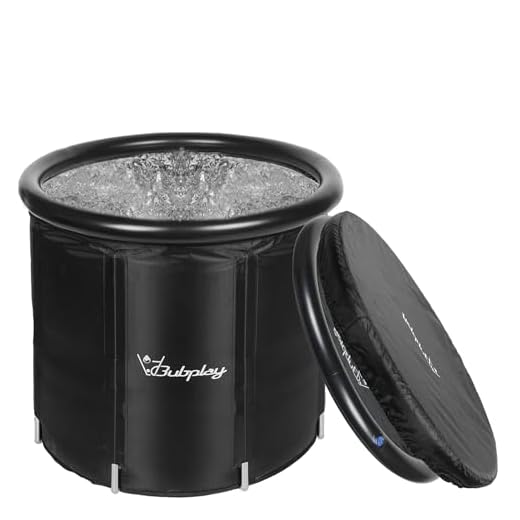
This is the most common entry-level option. It looks like a black rain barrel or cylinder. Most feature an inflatable ring at the top for comfort, but the walls are supported by plastic or steel poles (they do not stand up with air alone).
- How they work: You inflate the rim, insert the legs, fill it with a hose, and dump in bags of ice manually.
- The Pro: They are the cheapest way to start (often under $100) and are surprisingly deep.
- The Con: You have to buy ice constantly, and they don’t hold the cold temperature very long in summer.
The Collapsible Tub (The Space Saver)
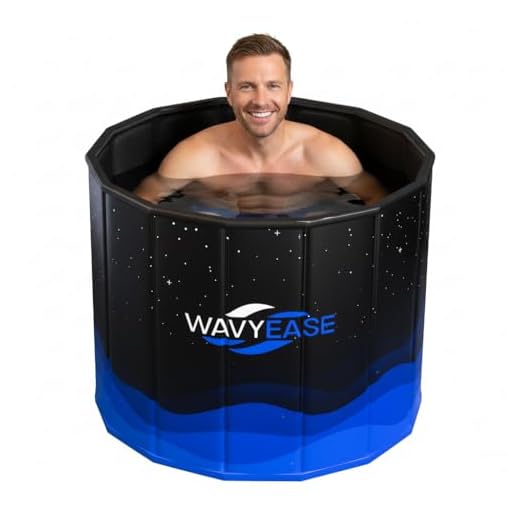
These are different from pods because they don’t require assembly or inflation. They are made of rigid panels that fold flat instantly, like an accordion or a manual umbrella.
- How they work: You simply unfold it in a shower stall or room, fill it, and fold it down to a 4-inch profile when you are done.
- The Pro: Zero setup time and they fit inside standard walk-in showers, making them perfect for apartments.
- The Con: Drainage can be tricky if placed over a shower drain, and they lack the thick insulation of the larger outdoor tubs.
The “Chiller-Ready” Tub (The Future-Proof)

These are heavy-duty inflatable tubs sold without the machine, but they are built to handle one later. They use drop-stitch technology to create “rock hard” rigid walls—no poles required.
- How they work: You can use them as a manual ice bath today, but when you have the budget, you can buy a chiller and plug it directly into the existing ports.
- The Pro: Better insulation and durability than a standard pod, and you don’t have to buy a whole new tub when you want to upgrade.
- The Con: They are more expensive upfront than a standard pod, and you still need to use ice until you buy the chiller.
The Automated Bundle (The Luxury)

This is the complete system. You get the heavy-duty tub and the chiller unit in one package.
- How they work: The chiller cycles the water, filtering it and keeping it at a “shivering 37°F” automatically, so you never have to buy ice.
- The Pro: Total convenience. The water is always cold, clean, and ready for you to jump in.
- The Con: The price tag. These require a significant investment and a dedicated space with power access.
Reality Check: The Downsides of Cold Plunging
Before you buy a tub, it is important to look at the unglamorous side of cold therapy. Social media makes it look Zen, but the reality is often wet, cold, and requires maintenance.
1. The “Ice Run” Drudgery If you choose a budget pod without a chiller, you are at the mercy of the ice machine. To get the water to a therapeutic 50°F or lower, you might need 20 to 40 pounds of ice per session depending on the weather. That means frequent trips to the gas station or grocery store, which adds up in both time and money.
2. Water Maintenance Standing water can turn nasty quickly. Even with a lid, you will eventually deal with organic buildup (often called “biofilm”) or cloudy water. Unless you buy a high-end unit with active filtration and sanitation, you will need to drain, scrub, and refill your tub regularly. If you are keeping it indoors, you also need to manage condensation and potential spills.
3. The “Panic” Phase The first 30 seconds of a plunge are rarely pleasant. Your body’s natural reaction is to gasp and panic. It takes mental discipline to override that instinct. While this builds resilience, it is physically uncomfortable, and for some, that discomfort never becomes “fun.”
Who Is This NOT For?
While the benefits are backed by science, cold plunging is a significant stressor on the body and is not suitable for everyone.
- Those with Heart Conditions: The shock of cold water causes a rapid increase in heart rate and blood pressure. If you have a history of heart issues, high blood pressure, or are pregnant, you must consult your doctor first. Remember, I am a curator, not a doctor, and safety comes first.
- People with Raynaud’s Disease: If you suffer from poor circulation or Raynaud’s (where fingers and toes turn white/blue in the cold), plunging can be painful and potentially damaging to your extremities.
- The “Comfort Seekers”: If you struggle to stick to a routine that involves active discomfort, an ice bath might end up becoming just an expensive storage bin in your garage. This habit requires a mindset shift.
Tips for Beginners: How to Survive Your First Plunge
If you decide to go for it, you don’t need to jump into freezing water on day one. Here is how to make the habit stick without making yourself miserable.
The “Horse Stance” Warm Up: Don’t jump straight into a hot shower afterward, or you might pass out from the rapid blood pressure change (the “after-drop”). Instead, dry off and do some light movement—like squats or a horse stance—to generate heat from within naturally.
Start “Warm”: You don’t need to start at 39°F. Start with water around 55°F to 60°F. It will still feel cold, but it won’t be shocking. You can lower the temperature by a degree or two each week as you build resilience.
Keep Hands and Feet Out: If the pain is too intense, keep your hands and feet out of the water. Our extremities have a high density of nerve endings and are the first to complain. You still get the core body benefits even if your toes are dry.
Focus on the Exhale: When you hit the cold, your body will want to gasp. Force yourself to take a long, slow exhale. Controlling your breath tells your brain that you are safe, calming the panic response.
Don’t Overdo It: You don’t need to stay in for 10 minutes to get benefits. Research suggests that just 11 minutes total per week (divided into a few sessions) is enough to see metabolic results. 2 to 3 minutes per session is plenty.
Ready to Take the Plunge?
If you have read the downsides and are still thinking, “I need this reset,” then you are ready to look at the hardware.
You don’t need to overthink it. Whether you are in a tiny apartment and need a foldable tub for your shower, or you have a backyard ready for a permanent setup, there is a tub that fits your budget.
I have analyzed the top options on the market, comparing specs, prices, and reviews so you don’t have to.
Read the Guide: 10 Best At Home Cold Plunge Tubs