Gone are the days when a fitness tracker was just a glorified pedometer that buzzed when you hit a magical step count. In 2026, these devices have evolved into comprehensive health monitors that sit quietly on your wrist, gathering data that can help you understand everything from why you feel groggy in the morning to how your body handles stress during a busy workday.
If you are looking to take a proactive approach to your wellness, a modern tracker acts less like a gym coach yelling at you to move, and more like a translator for your body’s daily signals.
Unlocking Your Body’s Data
The primary benefit of a modern fitness tracker isn’t just logging a run; it is about visibility. Most of us go through the day guessing at our energy levels. We drink more coffee because we feel tired, or we skip a workout because we feel “off,” but we rarely know the physiological reasons why.

Advanced trackers use sensors to monitor Heart Rate Variability (HRV), a key metric that indicates how recovered your nervous system is. But the insights often go deeper. Many of the top devices now track blood oxygen levels (SpO2), daily stress scores, and even skin temperature variations. This broader data set helps paint a complete picture of your wellness, allowing you to match your daily activities to your body’s actual capacity.
They also shine in sleep analysis. Rather than just telling you how long you slept, they break down your night into Light, Deep, and REM cycles. This can help you identify if that late-night snack or glass of wine is actually sabotaging your restorative rest, even if you were in bed for eight hours.
Is a Health Tracker Right for Your Routine?
You don’t need to be training for a marathon to get value from these devices. In fact, the people who often benefit most are those simply trying to build better habits.
- The Data-Curious: If you love seeing trends and graphs, having a 24/7 record of your heart rate and sleep can be incredibly motivating.
- The Sleep Struggler: If you wake up tired despite getting “enough” hours, the insights into sleep quality and disturbances can be eye-opening.
- The Busy Professional: For those balancing high stress, features that monitor stress responses and prompt breathing exercises can help manage the workday jitters.
- The Casual Mover: Sometimes, a gentle buzz on the wrist reminding you to stand up after an hour of sitting is all the nudge you need to stay active.
The Reality of Daily Wear
It is important to understand what living with a tracker is actually like. To get the “holistic” data—especially sleep and recovery metrics—you generally need to wear the device 24/7. This means sleeping with something on your wrist.
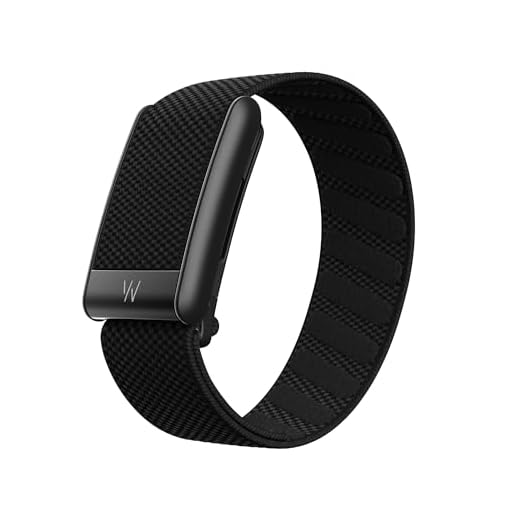
Most modern bands are designed with soft silicone or fabric straps to make this comfortable, but it can take some getting used to. Battery life is another factor; screen-free bands might last two weeks, while smartwatch-style trackers with bright AMOLED screens may need charging every few days.
Financially, the landscape is split. Some devices require an upfront cost for the hardware but give you the data for free. Others charge a lower price for the device but require a monthly subscription to unlock the detailed insights. It is worth calculating the “total cost of ownership” over two years before committing.
The “Nocebo” Effect and Limitations
While these devices are powerful, they are not medical instruments. Wrist-based heart rate monitors are generally accurate for steady activities like jogging or sleeping, but they can lag during high-intensity interval training (HIIT) where your heart rate spikes rapidly.
There is also a psychological aspect to consider. Sometimes, seeing a low “Recovery Score” or a “Poor Sleep” rating can make you feel more tired than you actually are—a phenomenon known as the nocebo effect. It is vital to use these trackers as tools for guidance, not as absolute authorities on how you should feel. If your watch says you are drained but you feel great, trust your body over the algorithm.
What to Look for When Buying
When choosing your first tracker, the form factor is usually the biggest decision.

- Screen vs. Screenless: Do you want to see your texts, pace, and time on your wrist? Go for a tracker with a display. If you want to avoid distractions and just gather data, a screen-free band or ring might be better.
- GPS Needs: If you run or cycle outdoors and want accurate maps of your route, look for “Built-in GPS.” If you always run with your phone, “Connected GPS” (which uses your phone’s signal) is a cheaper alternative.
- Ecosystem: If you are an Android user, some devices integrate more seamlessly than others. Conversely, some trackers are platform-agnostic and work well with both iPhones and Androids.
Finding Your Perfect Match
With so many different bands and watches available, choosing the right one can feel overwhelming. The best device for you is the one that fits your lifestyle comfortably enough that you forget you are wearing it, yet provides the data you need to make healthier choices.
Ready to see which devices lead the pack in 2026?
Read Next: Best Fitness Trackers