

Fitness trackers have evolved far beyond the simple pedometers of the past. While counting 10,000 steps is still a useful metric, the top devices in 2026 act more like comprehensive wellness tools that help you understand your body’s needs. They go beyond simple movement tracking to analyze sleep quality, stress levels, and—crucially—whether your body is ready to train or needs a day of recovery.
Finding the right tracker can be tricky. The market is split between smartwatches that function as extensions of your phone and discreet, screen-free bands that blend into the background. Some rely on monthly subscriptions to unlock their full potential, while others offer all their data upfront. This guide breaks down these differences to help you find the device that best fits your daily routine.
Recommendations

- GPS: Turn-by-turn directions
- Payment: Google Wallet support
- Membership: 6-month premium
- Color: Obsidian/Black

- Membership: 12 months
- Battery: 14+ days
- Monitor: Heart rate, HRV
- Coaching: Personalized insights
- Battery: 10 Days
- Modes: 27 Sports
- Tracking: 24/7 Health
- Compatibility: Android & iPhone

- Display: Bright AMOLED
- Battery: Up to 11 days
- Apps: 80+ sports modes
- Features: Body Battery, Sleep

- Battery: 14+ Days
- Insights: Blood Pressure, ECG
- Membership: 12 Months Included
- Waterproof: Yes

- Display: 1.6″ AMOLED
- Battery: 14 Days
- Water Resistance: 5ATM
- Modes: 100+ Workout

- Battery: Up to 10 days
- Heart Rate: 24/7 tracking
- Stress: Daily Management Score
- Water Resistant: 50 meters
Full List & Reviews
Fitbit Charge 6
- GPS: Turn-by-turn directions
- Payment: Google Wallet support
- Membership: 6-month premium
- Color: Obsidian/Black
PROS
More accurate heart rate tracking algorithm
Convenient Google Maps and Wallet integration
Solid battery life lasting up to a week
Comfortable, slim profile for 24/7 wear
Haptic side button improves navigation
CONS
No altimeter for tracking floors climbed
Deep data insights require Premium subscription
Music controls limited to YouTube Music
GPS use drains battery quickly
Stock band can cause irritation for sensitive skin
The Fitbit Charge 6 brings the best of Google’s software tools into Fitbit’s streamlined hardware, making it a capable hybrid between a simple activity band and a smarter wearable. Right out of the box, you will notice the bright, vibrant color display and the return of a haptic side button, which makes navigating menus much less temperamental than previous touch-only models. It covers all the essential bases you would expect, tracking your daily steps, heart rate, and active zone minutes, but now integrates helpful utilities like Google Maps for turn-by-turn directions and Google Wallet for contactless payments directly from your wrist.
Performance
The heart rate sensor has seen a significant upgrade, utilizing machine learning to provide accuracy that rivals more expensive chest straps during steady-state workouts. This accuracy feeds into Fitbit’s renowned sleep tracking, which breaks down your night into light, deep, and REM cycles to give you a clear picture of your rest quality. Users who hit the gym will appreciate the ability to broadcast their heart rate via Bluetooth to compatible exercise machines, allowing you to see your real-time stats on the treadmill or rower screen rather than glancing at your wrist. The battery life remains a strong point, generally lasting around a week on a single charge, provided you aren’t running the built-in GPS for hours every day.
The Drawbacks
Transitioning to the software ecosystem can be a bit of a hurdle, particularly regarding the app interface and subscription model. Many advanced insights, such as the Daily Readiness Score and detailed sleep breakdowns, are locked behind the Fitbit Premium paywall, which can feel restrictive if you are used to getting that data for free on other devices. Another significant hardware omission is the altimeter, meaning this device cannot count flights of stairs climbed, a feature that was present in older models and is missed by hikers or those who like tracking elevation gain. Additionally, while the integration of YouTube Music is handy, the lack of support for other popular music platforms like Spotify is a limitation for those who haven’t subscribed to Google’s music service.
Best For
Runners and casual exercisers who prioritize a lightweight, unobtrusive profile over a heavy watch face will find this tracker to be a strong companion. It is particularly well-suited for Android users or those already invested in the Google ecosystem who want the convenience of Maps and Wallet without the daily charging requirement of a Pixel Watch or Apple Watch. The slim design makes it comfortable enough to wear to bed every night, ensuring you capture consistent health metrics without it feeling bulky or getting in the way.
WHOOP 5.0 Peak
- Membership: 12 months
- Battery: 14+ days
- Monitor: Heart rate, HRV
- Coaching: Personalized insights
PROS
Excellent battery life (14+ days)
Unique charging mechanism allows for continuous 24/7 wear
Screen-free design reduces distractions and looks discreet
In-depth recovery and sleep analysis
Comfortable for sleeping compared to bulky watches
CONS
Requires an expensive ongoing subscription to function
Heart rate accuracy can falter during high-intensity bursts
Fabric band stays wet after showering
No real-time data display (pace/distance) for runners
Not compatible with accessories from previous generations
The WHOOP 5.0 Peak takes a completely different approach to fitness tracking by removing the screen entirely, leaving you with a low-profile fabric strap that focuses purely on data collection rather than pestering you with notifications. Included with this specific bundle is a 12-month membership to their “Peak” tier, which is essential because the device is essentially a paperweight without an active subscription. It is designed to be worn 24/7 to capture a holistic view of your health, measuring everything from sleep cycles and skin temperature to daily strain and even your “pace of aging.” Note that while this unit comes with the Peak membership, WHOOP offers other tiers like “One” and “Life” that vary in perks and duration.
Performance
Battery life has seen a major improvement in this generation, now stretching to two weeks. This solves a common complaint from previous models. When it does need power, you don’t have to remove the strap; you simply slide a small waterproof battery pack over the sensor while wearing it, ensuring no gaps in your data. The app offers deep dives into biometrics like heart rate variability and sleep performance to give you a daily “Recovery” score. This metric guides you on how much strain your body can handle that day. The AI “Whoop Coach” is also a useful feature, allowing you to ask specific questions about your trends rather than just looking at raw graphs.
The Drawbacks
For all its high-tech analysis, the heart rate sensor can sometimes struggle with accuracy during high-intensity interval training, occasionally showing erratic spikes compared to chest straps. The lack of a screen is a double-edged sword; while it minimizes distractions, it also means you can’t check your pace or heart rate in real-time during a run without pulling out your phone. Additionally, the fabric band tends to stay wet for a while after a shower or swim, which can be uncomfortable, and previous owners should note that bands and chargers from the 4.0 model are not compatible with this new version.
Best For
If you are someone who loves wearing a classic mechanical watch on one wrist but still wants detailed health metrics, this discreet band is the perfect solution. It is also ideal for the “bio-hacker” crowd who values recovery data and sleep optimization over step counting or seeing text messages on their wrist. The price point is steep compared to one-time purchase trackers, but for those who want a dedicated health coach without the distraction of a smartwatch, it offers a unique experience.
XIAOMI Mi Smart Band 10

- Display: 1.72″ AMOLED
- Battery: 21 days life
- Heart Rate Monitoring
- Bluetooth: 5.4
PROS
Incredible battery life lasting up to two weeks or more
Bright, smooth, and responsive AMOLED display
Very affordable price point compared to competitors
Lightweight and comfortable for 24/7 wear
Water-resistant design suitable for swimming
CONS
Software often locked to metric units (km/kg) which is difficult for US users
No built-in GPS requires carrying a phone for accurate distance tracking
Stock wristband clasp can be difficult to secure and pops off easily
Lack of physical buttons makes troubleshooting difficult
The Xiaomi Mi Smart Band 10 proves that a capable fitness tracker doesn’t need to be expensive. This budget-friendly option offers a surprising amount of utility, starting with its vibrant 1.72-inch AMOLED display. It is brighter and smoother than previous generations, making notifications easy to read even under direct sunlight. It tracks essentials like heart rate, blood oxygen levels, stress, and sleep patterns, all while sporting a streamlined, button-less design that looks more premium than the price tag suggests. If the standard black doesn’t suit you, it is also available in Glacier Silver and Mystic Rose to match your personal style.
Performance
Battery life is the real highlight here. While many smartwatches need a nightly charge, this tracker easily lasts two weeks or more, which is excellent for those who dislike carrying cables everywhere. The interface feels snappy thanks to the high refresh rate screen, allowing you to swipe through weather updates, music controls, and workout stats without stuttering. It supports over 150 sports modes and is water-resistant, making it safe for swimming. For those who want a low-maintenance device that works reliably in the background, this tracker handles the basics of step counting and activity monitoring with ease.
The Drawbacks
Those in the United States might find one specific software limitation particularly frustrating. The device and its companion app currently force the use of the metric system for many measurements, meaning you are likely stuck viewing your distance in kilometers and weight in kilograms with no apparent option to switch to miles or pounds. The wristband design presents another potential issue; while lightweight, the pin-and-tuck closure can be fiddly to fasten securely and has a tendency to pop open if it catches on clothing or bedding. Additionally, the lack of built-in GPS means you must carry your phone with you to map outdoor runs, and the absence of physical buttons can make the device difficult to restart if the touchscreen ever becomes unresponsive.
Best For
This is arguably the best value you will find if your primary goal is a low-maintenance tracker that offers maximum screen real estate for minimum money. It is a fantastic entry point for teenagers, students, or anyone who wants to dip their toes into health tracking without committing to a hefty investment or a daily charging routine. The long battery life makes it perfect for tracking sleep since you won’t need to take it off at night, provided you are comfortable doing a little mental math with the metric conversions.
POLAR Loop

- Heart Rate: 24/7 tracking
- Battery: Up to 8 days
- Design: Lightweight, screen-free
- App: Free, no subscription
PROS
No monthly subscription fees required
Extremely comfortable and lightweight for sleeping
Accurate sleep tracking and recovery insights
Screen-free design eliminates distractions
Solid battery life of up to 8 days
CONS
Cannot view real-time stats during workouts
App interface can be complex for beginners
Step counting can be overly generous
Limited interactivity compared to smartwatches
The Polar Loop stands out as a sophisticated health companion that completely removes the distraction of a screen, focusing instead on gathering high-quality biometric data while you go about your day. Available in stylish finishes like Black, Copper Brown, and Gold Sand, this lightweight band is designed to be worn 24/7, tracking your heart rate, sleep cycles, and daily activity without pestering you with notifications or glowing lights. It utilizes Polar’s renowned Precision Prime sensor technology to deliver gym-grade heart rate monitoring directly to the Polar Flow app, all without the recurring monthly fees that plague many competitors in this specific niche.
Performance
The wearing experience is where this device really shines; weighing just 29 grams with a soft fabric band, it is incredibly discreet and comfortable enough to sleep in without irritation. Once paired with the app, it works silently in the background, automatically detecting workouts and breaking down your nightly rest into deep, light, and REM sleep stages to provide a “Nightly Recharge” score. The battery life is reliable, generally lasting around eight days, which means you can get through a full week of training and sleeping on a single charge. Because it syncs via Bluetooth, you get all your insights—like recovery status and activity goals—delivered straight to your phone, giving you a clear picture of your overall well-being without needing to tap a screen on your wrist.
The Drawbacks
You might find the lack of a screen jarring at first, particularly if you are used to checking your pace or heart rate mid-run. You absolutely cannot see real-time stats without pulling out your phone, which might be a dealbreaker for runners who rely on instant feedback. While the hardware is top-notch, the Polar Flow app can feel less intuitive than other mainstream fitness apps, presenting data in a way that feels geared more toward athletes than casual users. Additionally, the step counter can be generous, sometimes overestimating daily movement compared to other devices, so it is best treated as a baseline trend rather than an absolute measure of distance.
Best For
For those who admire the form factor of the subscription-based bands like WHOOP but refuse to sign up for a lifetime of monthly payments, this device offers a compelling one-time purchase alternative. It is perfectly engineered for the data-driven individual who wants to wear a classic mechanical watch on one wrist and a serious tracker on the other without looking cluttered. If you want clinical-grade recovery data and heart rate monitoring without another screen fighting for your attention, this offers a peaceful, precise, and cost-effective path to understanding your body.
Fitbit Versa 4
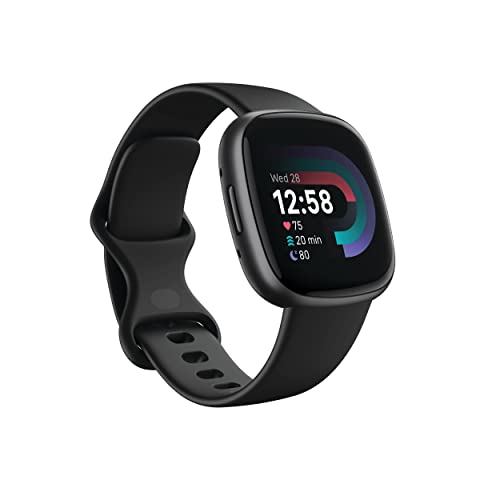
- GPS: Built-in
- Heart Rate: 24/7
- Battery: 6+ days
- Exercise Modes: 40+
PROS
Battery life consistently lasts around 6 days
Physical side button makes navigation easier
Google Wallet and Maps integration is very convenient
Lightweight, slim design is comfortable for sleep tracking
Bright, clear AMOLED display
CONS
No music storage or playback controls
Third-party app support has been removed
Heart rate sensor can lag during high-intensity intervals
Syncing with the mobile app can be glitchy
Stock band design can cause skin irritation for some users
The Fitbit Versa 4 offers a streamlined smartwatch experience that focuses heavily on health metrics rather than trying to replace your smartphone entirely. Available in several colorways like Black, Pink Sand, and Waterfall Blue, this device features a vibrant, squared-off AMOLED touchscreen that is easy to read in bright sunlight and sits flush against the wrist for a low-profile look. It brings back the tactile side button that was missing in the previous iteration, making navigation through menus much more intuitive and reliable than relying solely on touch gestures.
Performance
For daily use, this tracker excels in longevity and convenience, boasting a battery life that typically lasts a solid six days, which significantly outlasts many of its more expensive smartwatch competitors. It integrates tightly with the Google ecosystem, offering Google Wallet for wrist-based payments and Google Maps for turn-by-turn navigation, which is incredibly handy for urban walkers. The fitness tracking covers over 40 exercise modes, and the sleep tracking remains some of the best in the industry, breaking down your nightly rest into detailed stages to help you understand your recovery. The built-in Alexa voice assistant is also a nice touch for setting quick timers or checking the weather mid-workout.
The Drawbacks
There are some frustrations regarding the software changes since Google’s acquisition of Fitbit. A significant point of contention is the removal of third-party app support and music controls; unlike previous models, you cannot store music on the watch or control Spotify playback on your phone, which feels like a step backward for the series. Additionally, while the heart rate monitor is generally good for steady-state cardio, it can struggle to keep up with rapid changes during high-intensity interval training, sometimes lagging behind your actual effort. Connectivity issues where the watch unpairs from the app may occur, and the stock silicone band might cause skin irritation for some due to the “tuck-under” design trapping sweat.
Best For
If you prioritize battery life and health data over running apps on your wrist, this device presents a compelling mid-range option. It is particularly well-suited for Android users who want the convenience of wrist payments and map notifications without the bulk or daily charging requirements of a full-blown smartwatch. The Versa 4 effectively bridges the gap for those who find a standard fitness band too small to read but find a premium smartwatch too complex or short-lived.
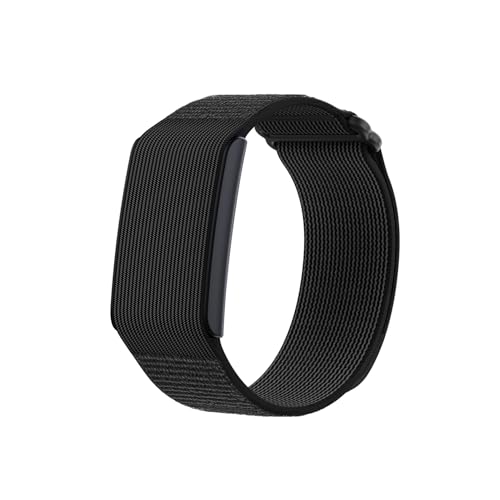
Amazfit Helio Fitness Tracker
- Battery: 10 Days
- Modes: 27 Sports
- Tracking: 24/7 Health
- Compatibility: Android & iPhone
PROS
No monthly subscription fees required
Impressive battery life lasting around 10 days
Discreet, screen-free design reduces distractions
Comprehensive recovery and sleep metrics (BioCharge)
Lightweight and unobtrusive for sleeping
CONS
Stock strap can be itchy and retains sweat
Auto-detection often mistakes relaxing for napping
Tiny proprietary charger is very easy to lose
No built-in GPS (relies on phone connection)
App interface can feel cluttered compared to premium rivals
The Amazfit Helio Strap Fitness Tracker Wristband enters the market as a direct challenger to the subscription-heavy world of screenless trackers, offering deep health insights without the burden of a monthly fee. This lightweight, fabric band is designed to be worn and forgotten, sitting discreetly on your wrist—or even your bicep if you purchase a separate strap—while it silently gathers data on your heart rate, sleep quality, and stress levels. It integrates seamlessly with the Zepp app to provide comprehensive metrics like “BioCharge,” a recovery score that analyzes your readiness for the day based on your previous night’s rest and recent exertion, making it a powerful tool for athletes trying to balance training with recovery.
Performance
Performance is impressive for the price, particularly regarding battery longevity, which reliably stretches to around 10 days on a single charge. Because it lacks a screen, it eliminates the urge to doom-scroll or check notifications, allowing you to focus entirely on your physical performance and mental well-being. The sensors are capable of tracking steady-state cardio with accuracy comparable to more expensive devices, and the sleep tracking is detailed enough to break down REM, deep, and light sleep stages. For those who already own an Amazfit smartwatch, this strap can work in tandem with it, filling in data gaps when you take your watch off to charge or sleep.
The Drawbacks
On the hardware front, the physical strap is frequently cited as the device’s potential weak point, even though the internal tech is solid. The stock nylon material can feel scratchy and uncomfortable for 24/7 wear, with a tendency to retain sweat and odors after workouts, requiring frequent washing. The Velcro mechanism may also wear out over time or feel less secure with repeated use. On the software side, the automatic workout detection can be a bit overzealous, sometimes logging a sedentary period of reading or watching TV as a “nap,” which skews your recovery data. Additionally, the charging cradle is a small, proprietary square that is not attached to a cord, making it incredibly easy to lose if you aren’t careful.
Best For
If you have been eyeing the data-rich lifestyle of the “bio-hacker” crowd but recoil at the thought of a perpetual monthly bill, this device was practically made for you. It is also an excellent solution for athletes involved in contact sports like martial arts or basketball where wearing a metal watch face is dangerous or prohibited, as well as for watch enthusiasts who prefer to wear a luxury mechanical timepiece on one wrist while tracking health stats on the other.
Garmin vívoactive® 6
- Display: Bright AMOLED
- Battery: Up to 11 days
- Apps: 80+ sports modes
- Features: Body Battery, Sleep
PROS
Stunning AMOLED display is easy to read
Battery life lasts well over a week
No monthly subscription required for full data access
Accurate built-in GPS for outdoor activities
Lightweight and comfortable for 24/7 wear
CONS
No altimeter for tracking floors climbed or elevation
Auto-brightness can be too dim in low light
Sleep tracking sometimes misinterprets awake time
Proprietary charging cable is not universal
Touchscreen interface can occasionally lag
The Garmin vívoactive 6 strikes a balance between a stylish everyday smartwatch and a dedicated fitness coach, featuring a vibrant AMOLED display that brings your health stats to life. It feels like a significant step up if you are transitioning from basic fitness bands, offering a traditional round watch face that looks just as good in a business meeting as it does on a morning run. The interface is intuitive, allowing you to swipe through your daily heart rate, stress levels, and the brand’s signature Body Battery energy monitoring, which helps you decide if you are ready to crush a workout or if you need a rest day.
Performance
One of the most liberating aspects of owning this device is the battery life, which can easily stretch to over a week on a single charge, freeing you from the nightly ritual of hunting for a charging cable. Unlike many competitors that hide their best data behind a paywall, the accompanying app gives you full access to deep health insights, training plans, and sleep coaching without a monthly subscription fee. For outdoor enthusiasts, the built-in GPS connects quickly and tracks your runs and rides accurately without needing your phone nearby, and the lightweight design ensures it won’t weigh your wrist down during long sessions.
The Drawbacks
One baffling design choice for a device in this price bracket is the omission of a barometric altimeter, especially considering the watch excels in many other areas. This means it cannot track the number of floors you climb or provide real-time elevation data during hikes, a feature that was present in previous generations and is often expected by hikers and those tracking vertical gain. Additionally, the auto-brightness feature can be a bit too aggressive, making the screen difficult to read in dimly lit rooms without a manual override. There are also occasional instances where the sleep tracking is a bit generous, sometimes logging quiet wakeful periods in bed as light sleep.
Best For
This is a strong contender for those tired of charging their watch every single night who want a device that prioritizes fitness data over third-party apps. It is particularly well-suited for runners and gym-goers who want detailed analytics and reliable GPS without the bulk or price tag of an ultra-rugged adventure watch. The combination of smart features like contactless payments and music storage with serious training tools makes it a versatile companion for anyone looking to take their wellness journey seriously without a subscription.
WHOOP Life
- Battery: 14+ Days
- Insights: Blood Pressure, ECG
- Membership: 12 Months Included
- Waterproof: Yes
PROS
On-demand ECG for AFib detection
Daily blood pressure trend insights
“Healthspan” and “Pace of Aging” longevity metrics
Massive 14-day battery life with pass-through charging
Distraction-free design with no screen
Detailed sleep and recovery coaching
CONS
Most expensive subscription tier
Blood pressure feature requires calibration with a cuff
No real-time workout stats or GPS on wrist
Heart rate sensor can lag during HIIT workouts
Requires smartphone for all data interaction
The WHOOP Life represents the absolute pinnacle of the brand’s offering, taking the standard recovery tracking of the lower tiers and injecting it with clinical-grade capabilities. If you were looking at the Peak model but felt you needed a deeper look into your cardiovascular health, this top-tier package includes the specialized “Life” membership which unlocks advanced heart health features that standard trackers simply don’t offer. While it retains the same discreet, screen-free fabric design and impressive 14-day battery life of its siblings, this version is distinguished by its ability to perform on-demand ECG readings to detect potential signs of AFib and provide daily blood pressure insights, essentially acting as a comprehensive health monitor on your wrist.
Performance
You get all the recovery, sleep, and strain metrics that WHOOP is famous for, but the data goes much further here with the inclusion of “Healthspan” and “Pace of Aging” metrics. These features use your physiological data to estimate how fast you are aging biologically compared to your chronological age, which can be a massive motivator for lifestyle changes. The user experience is heavily focused on long-term wellness; the AI-powered WHOOP Coach can analyze your trends to tell you exactly why you might be feeling sluggish or how a specific habit is impacting your blood pressure trends over time. Just like the other models, the convenience of the slide-on battery pack means you never have to take the strap off, ensuring you capture every single heartbeat, 24/7.
The Drawbacks
It is important to manage expectations regarding the operation of the blood pressure monitoring, even though the promise of wrist-based tracking is exciting. The system provides insights and ranges rather than absolute medical measurements, and it generally requires calibration with a traditional cuff to establish a baseline, which can be a slightly cumbersome process. Additionally, because this tier commands the highest price point, the lack of a screen for checking the time or seeing real-time run stats can feel like a bigger omission compared to full-featured smartwatches in the same investment bracket. During high-intensity intervals, the heart rate sensor may also occasionally struggle to keep up with rapid spikes compared to a chest strap.
Best For
If you are a bio-hacker, longevity enthusiast, or someone who wants to keep a vigilant eye on heart health markers like AFib and blood pressure trends, this is the specific tool you need. It moves beyond simple fitness tracking into the realm of holistic health management, making it worth the premium for those who view their body as a data project. The “Life” membership transforms the hardware from a gym companion into a proactive health guardian, justifying the cost for users who prioritize detailed internal analytics over smartwatch apps and notifications.
SAMSUNG Galaxy FIT 3
- Display: 1.6″ AMOLED
- Battery: 14 Days
- Water Resistance: 5ATM
- Modes: 100+ Workout
PROS
Beautiful, vibrant 1.6-inch AMOLED display
Lightweight and comfortable aluminum design
Excellent value for the low price point
Solid battery life compared to full smartwatches
Fall detection and Emergency SOS features included
CONS
Not compatible with iPhones (Android only)
No built-in GPS (must carry phone)
Occasional syncing glitches with Samsung Health app
Proprietary band attachment limits strap choices
Step counting can be inaccurate during non-walking activities
The Samsung Galaxy Fit 3 lands as a stylish, budget-friendly contender that effectively blurs the line between a basic fitness tracker and a full-blown smartwatch. Immediately, you will notice the expansive 1.6-inch AMOLED display, which is crisp, colorful, and surprisingly responsive for a device at this low price point. It moves away from the narrow, pill-shaped bands of the past toward a wider, rectangular aluminum chassis that looks premium on the wrist without weighing it down. It is designed to integrate tightly with the Android ecosystem, offering seamless notifications, media controls, and quick replies right from your wrist, making it feel like a true extension of your phone rather than just a simple step counter.
Performance
When it comes to daily health metrics, this tracker covers all the essentials with auto-workout detection for walking, running, and swimming, along with detailed sleep analysis that even includes sleep coaching. The interface is snappy and intuitive, allowing you to swipe through tiles for weather, heart rate, and calendar events without any lag. While Samsung advertises a battery life of up to 13 days, real-world usage with features like the Always-On Display and continuous heart rate monitoring tends to yield closer to four to seven days. That is still a massive improvement over the daily charging required by full-fledged Galaxy Watches, and it includes safety features like fall detection and emergency SOS, which are rare finds in this price bracket.
The Drawbacks
While the hardware punches above its weight, the software experience comes with some caveats that potential buyers need to accept. A significant limitation is that this device acts strictly as a companion to your phone for location data; it lacks built-in GPS, so you must carry your phone on runs if you want accurate route maps and distance tracking. iPhone users are completely out of luck here, as it is strictly compatible with Android devices, and naturally works best with Samsung phones. Sync issues between the band and the Samsung Health app may occur, where step counts don’t always match up perfectly or get reset unexpectedly. Additionally, the proprietary band mechanism, while secure, limits your ability to easily swap in standard watch straps.
Best For
For those already deep in the Samsung ecosystem who want a sleek notification hub that handles fitness basics without the bulk or cost of a Galaxy Watch, this fits the bill perfectly. It is ideal for students, casual walkers, or anyone who wants a beautiful display and smart features like “find my phone” or media controls for a very accessible price. It serves as a fantastic entry point for those who find traditional smartwatches too heavy for sleep tracking but still crave that high-end AMOLED look during the day.
Fitbit Inspire 3
- Battery: Up to 10 days
- Heart Rate: 24/7 tracking
- Stress: Daily Management Score
- Water Resistant: 50 meters
PROS
Excellent battery life lasting up to 10 days
Vibrant color AMOLED display is a major upgrade
Lightweight and comfortable enough for 24/7 wear
Industry-leading sleep tracking and analysis
Affordable price point for the feature set
Water-resistant up to 50 meters
CONS
Small screen can be difficult to read
No built-in GPS (must carry phone)
Band attachment mechanism is fiddly and difficult to use
Deepest data insights require a Premium subscription
No altimeter for counting floors climbed
The Fitbit Inspire 3 is the ideal entry point for anyone who wants to start tracking their health metrics without strapping a miniature computer to their wrist. It ditches the bulky smartwatch aesthetic for a slim, lightweight “pebble” design that feels more like a bracelet than a piece of tech. The biggest upgrade over its predecessor is the vibrant color AMOLED display, which replaces the old monochrome screen, making your stats pop and ensuring the interface is much easier to read at a glance. It covers all the daily essentials, logging your steps, heart rate, and “Active Zone Minutes” to ensure you are hitting your movement goals, all while offering water resistance up to 50 meters for swimmers.
Performance
One of the strongest selling points here is the battery life, which can impressively stretch up to 10 days depending on your usage. This longevity makes it ideal for sleep tracking, which is an area where Fitbit generally outperforms the competition. Because you aren’t charging it every night, you can wear it to bed to get a detailed breakdown of your light, deep, and REM sleep stages, along with an overall Sleep Score that helps you understand your rest quality. The device also includes SpO2 monitoring and skin temperature variation tracking, giving you a surprisingly deep look into your wellness for such a small device.
The Drawbacks
This petite form factor does introduce some usability challenges, even though it is great for comfort. The screen is quite small, which can make reading text notifications or checking stats mid-workout a bit of a squint-inducing experience for those with less-than-perfect vision. The new band attachment mechanism also presents a hurdle; unlike the easy snap-on clips of older models, this uses a cumbersome pin system that can be difficult to manipulate if you like swapping straps frequently. Furthermore, while the device tracks location for runs and bikes, it relies on “Connected GPS,” meaning you must carry your phone with you to map your route, as there is no built-in GPS chip.
Best For
Individuals who prioritize a discreet, “invisible” tracking experience over smart features will appreciate the simplicity here. It is an excellent match for those who want to monitor their sleep and daily activity trends without being bombarded by apps or needing to charge a device daily. If you are looking for a cost-effective way to enter the Fitbit ecosystem and are comfortable with a smaller display in exchange for a device you barely feel on your wrist, this tracker delivers the goods where it counts.
Best Overall Fitness Tracker
Fitbit Charge 6
- GPS: Turn-by-turn directions
- Payment: Google Wallet support
- Membership: 6-month premium
- Color: Obsidian/Black
If you want a device that does it all without dominating your wrist, the Fitbit Charge 6 is the clear winner. It takes the best of Google’s helpful tools—like turn-by-turn navigation and contactless payments—and packs them into a slim, comfortable band that offers industry-leading sleep tracking and heart rate accuracy. While it lacks an altimeter, the combination of a bright display, solid week-long battery life, and smart features makes it the most well-rounded tracker for everyday life.
Keep exploring
More on Health Tracking
Related guides, explanations and reviews from the same topic.


