

If you’ve recently started noticing a sharp, burning ache on the outside of your elbow when pouring your morning coffee, gripping a steering wheel, or picking up a dumbbell, you may be dealing with lateral epicondylitis, better known as tennis elbow.
Despite the name, you don’t need to own a racket to experience it. Repetitive motions from typing at a keyboard, painting a room, or heavy lifting can all overwork the forearm tendons. When that happens, everyday tasks can become frustrating.
One tool that may help manage this discomfort during daily activities is an elbow brace. If you are new to using one, here is a breakdown of how they work, what to expect, and how to choose the right style for your specific needs.
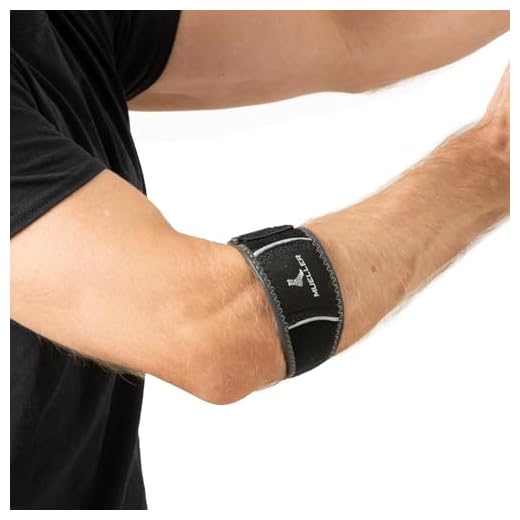
The Mechanics of Relief: How Elbow Braces Work
It’s easy to look at a small strap of fabric and wonder how it could possibly help. The idea behind it, however, is fairly simple and mostly mechanical.
Most tennis elbow supports are “counterforce” braces. When you grip an object, the muscles in your forearm contract, which pulls on the tendon attached to the outside of your elbow. If that tendon is overworked, every strong grip can add more strain to the irritated tendon.
A counterforce brace is worn just below the elbow joint, directly over the belly of the forearm muscle. By applying targeted pressure here, the brace acts like a shock absorber. It gently compresses the muscle, helping reduce some of the force placed on the irritated tendon. It doesn’t fix the underlying issue on its own, but it is designed to support the area and may help reduce the daily strain so you can function more comfortably.
That basic support is enough for some people to notice a real difference during aggravating tasks, especially if their symptoms are tied to gripping or repetitive forearm use.
Are You a Good Candidate for an Elbow Brace?
You might be wondering if your specific discomfort warrants trying one of these supports. Generally, a counterforce brace or sleeve can be a useful addition to your routine if you fit into a few common categories:
- Desk workers whose discomfort flares up after hours of typing and mouse clicking. A low-profile strap may help alleviate the continuous micro-strain on the forearm.
- Gym-goers and lifters who feel an aching sensation when gripping a barbell, dumbbell, or pull-up bar. A brace can provide a reassuring feeling of stability and warmth during heavy sessions.
- Those with active hobbies like golf, pickleball, tennis, or even heavier gardening. Repetitive swinging and gripping can cause sudden flare-ups, and a brace may help manage the shock of those dynamic movements.
Note: While a brace can be an excellent management tool, it is always a smart idea to consult with a physical therapist or doctor if your discomfort is severe, radiating down to your fingers, or persists for weeks without improvement.
What to Expect: Daily Use, Comfort, and Costs
Integrating an elbow brace into your life is incredibly simple, but there are a few practical expectations to set.
First, most basic elbow braces are relatively inexpensive, with simple straps often costing less than larger or more supportive designs.
In terms of daily use, it’s all about placement. A common beginner mistake is wrapping the brace directly over the painful elbow bone. Instead, you’ll usually want to place it about one to two inches below the crease of your elbow, right on the thickest part of your forearm muscle. You can wear it during the activities that usually trigger your discomfort—like working out or typing—and take it off when resting to let your skin breathe.
The Catch: Practical Limitations and Learning Curves
As helpful as these supports are, there are a few realities you should be prepared for when buying your first one:
- The Sizing Sweet Spot: Finding the exact right tension takes trial and error. If you pull it too tight, you risk cutting off your circulation, leading to numb fingers. Too loose, and it probably won’t offer much support. It will take a few days of adjusting to find your perfect fit.
- The Sweat Factor: Braces made from heavy neoprene or rigid plastic tend to trap heat. If you are doing intense cardio or working outdoors, be prepared for the brace to get sweaty, which can occasionally cause it to slip down your arm or irritate your skin.
- Velcro Degradation: The hook-and-loop fasteners on most affordable straps take a beating. If you are taking it on and off multiple times a day, expect the Velcro to lose its grip after a few months, meaning these are tools you will likely need to replace a couple of times a year.
- Not a Replacement for Rehab: An elbow brace is a great way to manage strain, but it shouldn’t replace basic rest, stretching, and physical therapy exercises aimed at strengthening the forearm.
Buying Advice: Choosing Your First Brace
When you start shopping, you’ll notice a few different styles. Here are a few things to look for:
- Straps vs. Sleeves: A strap (counterforce brace) is narrow and applies intense, focused pressure to one spot. A full sleeve pulls over the whole arm, providing general warmth, mild compression, and a smoother profile under clothing. A strap is often chosen for sharp, specific pain during activities, while a sleeve is favored for dull, general stiffness.
- Adjustability: Look for braces that offer varied strap lengths or numbered tension systems. Since forearm sizes vary quite a bit, a “one size fits all” band can sometimes leave you with too much excess strap.
- Materials: If you have sensitive skin or sweat heavily, look for nylon blends or moisture-wicking fabrics over traditional, thick neoprene.
If you are ready to find a brace that matches your daily routine and budget, we’ve broken down some of the top options, from simple everyday straps to more supportive athletic designs.
Read Next: The 10 Best Tennis Elbow Braces for Lifting, Typing & Sports
Keep exploring
More on Pain Relief & Support
Related guides, explanations and reviews from the same topic.


