

When the temperatures drop outside and the central heating clicks on inside, the air in our homes quickly becomes much drier. It loses its natural moisture, often dropping well below the recommended indoor humidity levels. This arid environment can quickly make your living space feel uncomfortable, impacting everything from your wooden furniture and indoor plants to how comfortably you sleep.
Traditionally, the go-to answer meant digging a standard, noisy humidifier out of the closet. But those older models usually come with a frustrating guessing game: you turn them on, and either the room stays too dry, or you wake up in a damp, overly saturated room. Smart humidifiers have emerged to solve this exact balancing act by bringing automation and precision to your indoor air quality.
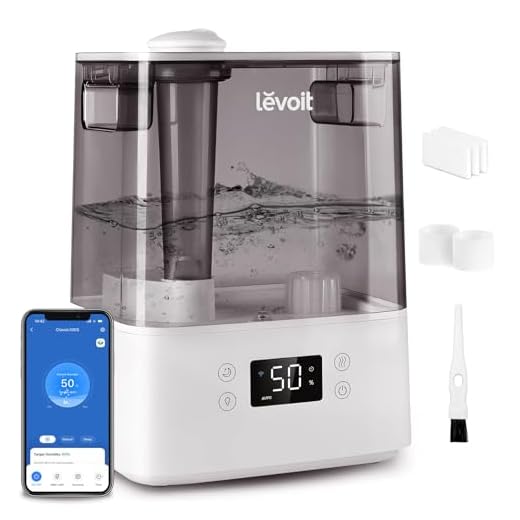
How Smart Humidification Works
At their core, these devices are designed to physically add water vapor back into the air. Most modern smart humidifiers use ultrasonic technology, which utilizes a small, rapidly vibrating metal diaphragm to break water down into microscopic droplets and propel them into the room as a fine mist.
What makes them “smart” is the inclusion of built-in hygrometers (humidity sensors) and Wi-Fi connectivity. Instead of simply pumping out a continuous stream of mist, these units actively monitor the room’s current moisture level. You can set a target humidity—usually around the optimal 40% to 60% range—and the machine will automatically adjust its output or shut off entirely to maintain that precise environment.
By keeping the indoor climate within this balanced zone, a smart humidifier may help reduce everyday annoyances associated with dry air, such as parched nasal passages or dry, itchy skin. That can make the air feel more comfortable to breathe, particularly during the harsh winter months.
Is a Smart Humidifier Right for Your Space?
You might be wondering if the jump from a manual unit to a smart one is actually worth the upgrade, especially if you’re just looking for basic relief. A smart humidifier is typically an excellent fit if you fall into one of these categories:
- The “Set It and Forget It” User: If you hate constantly turning dials or waking up to turn off a machine that is working too well, the auto-mode on smart models handles the micromanagement for you.
- Parents of Young Children: Being able to monitor the humidity in a nursery and adjust the mist level via a smartphone app—without opening the door and waking a sleeping baby—is a massive convenience.
- Houseplant Enthusiasts: Tropical indoor plants require specific humidity levels to thrive. Smart humidifiers allow you to create precise schedules and maintain a consistent microclimate.

What to Expect: Daily Use and Realities
If those benefits sound like what you’ve been dealing with, incorporating a smart humidifier into your daily routine is relatively seamless. Most units integrate easily with smartphone apps or voice assistants, allowing you to set up running schedules based on your sleeping habits or work hours.
In terms of budget, the initial investment is slightly higher than a basic manual unit, typically ranging from $40 to $150 depending on the tank size and features. However, the day-to-day usability is much better. Many models now feature top-fill designs, meaning you can simply pour water in from a pitcher rather than lugging a heavy, dripping tank to the kitchen sink.
The Trade-Offs: Maintenance and Mineral Dust
Despite their advanced technology, smart humidifiers still share the same physical limitations as their standard counterparts, and it’s important to know what you’re signing up for.
The most common issue is the accumulation of “white dust.” Because ultrasonic models aerosolize everything in the water, the natural minerals found in hard tap water are dispersed into the air and will eventually settle as a fine white powder on your furniture and electronics. To avoid this, you will often need to purchase and use distilled water, which can become a recurring expense, especially with high-capacity models.
They also need regular cleaning. Because they hold standing water, humidifiers can easily become breeding grounds for pink mold and bacteria. You must be prepared to empty the tank regularly, wipe down the inside thoroughly, and perform a deep clean with vinegar every week or two to ensure the mist being pumped into your room remains fresh and clean.

First-Time Buying Advice
If you are ready to pick out your first smart humidifier, keep these practical features in mind to ensure you get the right fit:
- Capacity vs. Room Size: Match the tank capacity to your square footage. Don’t buy a massive 6-liter unit for a tiny home office, and don’t expect a compact 3-liter unit to handle a large open-plan living room.
- Top-Fill vs. Bottom-Fill: Always look for a top-fill design if possible. It makes the daily chore of adding water much easier.
- App Usability: Look for brands that have well-reviewed, stable companion apps. A smart humidifier isn’t very helpful if it constantly disconnects from your Wi-Fi.
If a smart humidifier sounds like the kind of upgrade that would make your home more comfortable, the next step is finding one that suits your room size, budget, and maintenance preferences. We’ve broken down the best smart humidifiers to help you narrow it down.
Read Next: Best Smart Humidifiers
Keep exploring
More on Home & Workspace
Related guides, explanations and reviews from the same topic.


