

Red light therapy used to be a niche treatment you’d only find in high-end spas or sports recovery clinics. Today, the technology has shrunk down and become affordable enough to use in your own living room. It is accessible, easy to use, and has become a staple for everyone from skincare enthusiasts to athletes recovering from injury.
However, that accessibility has created a new problem: confusion. If you type “red light therapy” into a search bar, you are bombarded with thousands of options ranging from handheld wands and flexible belts to rigid face masks, massive wall panels, and even light-up hats. It can be overwhelming to figure out which form factor actually fits your lifestyle and your health goals.
The truth is, while the underlying technology is often similar, the delivery system matters immensely. A face mask won’t help your lower back pain, and a heavy wall panel might be overkill if you just want to improve your complexion. This guide breaks down the different ways to use red light therapy at home so you can stop guessing and find the right tool for the job.
Does Red Light Therapy Actually Work?
Before investing in a device, it is natural to wonder if shining a red light on your skin actually does anything.
At its core, red light therapy (often called photobiomodulation) is about supporting cellular energy production. Just as plants absorb sunlight to grow, our bodies can absorb specific wavelengths of light—typically red (660 nm) and near-infrared (850 nm)—to function more efficiently. When these wavelengths hit your body, they are thought to stimulate the mitochondria (the power plant of the cell) to produce more ATP (energy). The theory is that with more energy, your body can do what it does best—repair and rejuvenate itself—more effectively.
The “Non-Responder” Reality
Honesty is important here: no, not everyone sees life-changing results. While many studies support its benefits for skin and muscle recovery, there is a subset of users—often called “non-responders”—who simply don’t experience noticeable changes. This could be due to individual biology, incorrect dosage (too little or too much light), or simply having an issue that red light isn’t suited to treat. It is not a magic wand that fixes every ailment overnight, and results are rarely instant. It is a tool that supports your body’s natural processes, not a replacement for medical treatment.
Exploring the Different Device Types
While there are many different gadgets on the market, choosing the right one depends entirely on what problem you are trying to solve. Here are the most common form factors you will encounter.
Face Masks
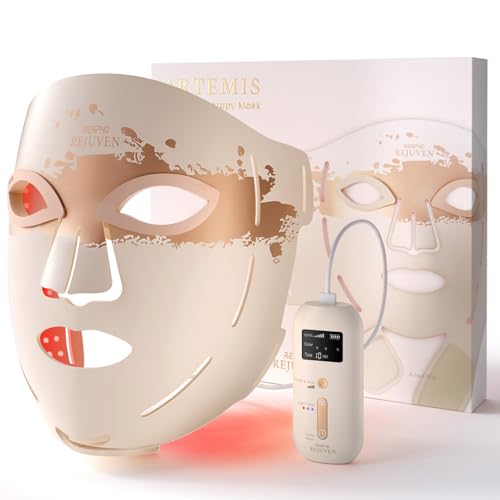
These are wearable devices that strap directly to your head, positioning the LEDs close to your skin. They are specifically engineered for cosmetic goals, focusing on surface-level improvements like skin tone, texture, and fine lines. Because they are hands-free, they are incredibly convenient for multitasking—you can wear them while watching TV or reading a book.
- Read the Guide: Best Red Light Therapy Masks
Belts and Body Wraps

These are flexible pads, usually made of soft neoprene, that wrap securely around a specific body part. They are excellent for targeting deep tissue issues because the wrap ensures the lights stay in direct contact with the skin, which can improve absorption. They are widely used for lower back stiffness, knee joints, or recovery after a workout.
- Read the Guide: Best Red Light Therapy Belts
Panels

Panels are the “heavy hitters” of the red light world. These are stationary units that sit on a table, hang on a door, or stand on the floor. Unlike masks or belts which treat small areas, a panel allows you to bathe a large portion of your body in light at once. They typically offer higher power output (irradiance) than wearable devices, making them a versatile choice if you want to treat your face, back, and muscles with a single device.
- Read the Guide: Best Red Light Therapy Panels
Handheld Wands
These are small, portable gadgets that look similar to a thick pen or a flashlight. They are designed for very targeted spot treatments, such as a single blemish, a cold sore, or dark circles under the eyes. While they are great for travel, they are tedious to use for larger areas since you have to manually hold them in place for several minutes at a time.
Hair Growth Caps
Usually shaped like a baseball cap or a rigid helmet, these devices are specifically tuned to stimulate hair follicles on the scalp. They often combine standard LEDs with laser diodes to encourage hair density and thickness. They are strictly for the top of the head and aren’t useful for other body parts.
Sleeping Mats and Blankets
These are large, flexible mats that you lie on top of or wrap yourself in, similar to a sauna blanket. They are excellent for relaxation and treating the entire back side of the body at once. Because you are lying on them, they often combine red light with heat for a soothing experience that targets the spine and back muscles.
Oral Devices
These look like sports mouthguards but are filled with tiny LEDs. They are designed to improve gum health, reduce oral inflammation, and potentially whiten teeth. They are a very specialized tool for oral hygiene rather than general wellness.
Buying Advice: What to Look For
Regardless of which style you choose, there are a few technical specs you should check to ensure you are getting a quality device.
- Irradiance: This measures the intensity of the light energy per surface area (often shown as mW/cm²). Higher irradiance generally means you can achieve results in shorter session times.
- Wavelengths: For the best value, look for a device that offers both 660 nm (red) and 850 nm (near-infrared) wavelengths. This ensures you are treating both the skin surface and deeper tissues.
- Flicker-Free: Cheaper LED drivers can flicker, which might cause eye strain for some users.
- Eye Safety: Avoid staring directly into the LEDs. Always follow the manufacturer’s guidance regarding protective eyewear, especially when using high-powered near-infrared devices.
- Warranty: These are electronic investments; a solid warranty (2+ years) is usually a good indicator of build quality.
Building a Routine
Red light therapy is a cumulative process, much like exercise. You likely won’t see dramatic changes after a single 20-minute session. Most benefits are reported after regular use over 4–6 weeks. However, simply using it “more” isn’t always better. Overusing the device (too much time or too high intensity) can actually negate the benefits, so always follow the manufacturer’s guidelines. The “best” device is ultimately the one you will actually use, so choose the form factor that fits easiest into your daily life.
Keep exploring
More on Home Spa & Wellness
Related guides, explanations and reviews from the same topic.


